The United Kingdom will send drones, jets and a warship to help secure shipping through the Strait of Hormuz, adding to a multinational defensive mission as tensions with Iran and the United States harden. John Healey said on Tuesday the operation would be “defensive, independent and credible.”
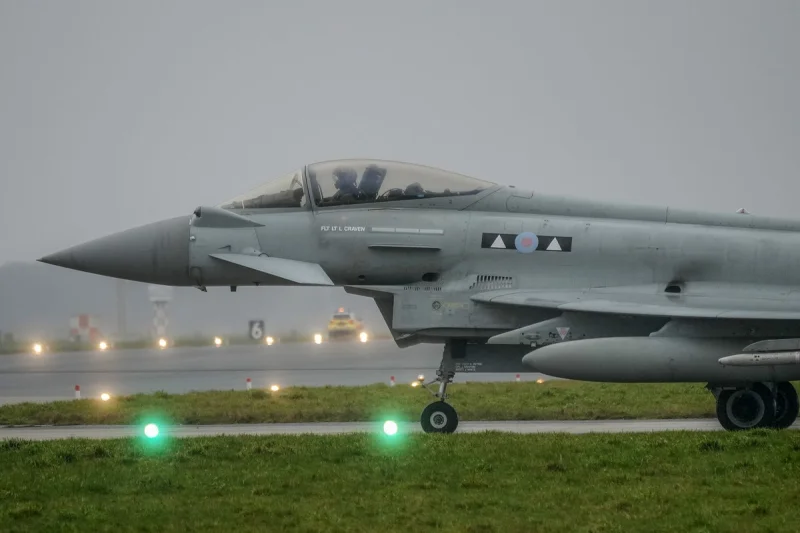
The British contribution will include autonomous mine-hunting equipment, Typhoon fighter jets and the warship HMS Dragon, backed by £115m in new funding. Healey said the mission would become operational when conditions allowed, signaling that the deployment is being built for a route that remains exposed to risk even as allies move to protect it.
The announcement came as Tehran warned it could push uranium enrichment to weapons-grade levels if President Donald Trump reopens the conflict. Ebrahim Rezaei said on Tuesday that Iran could enrich uranium up to 90 per cent purity if the country is attacked again, underscoring how quickly the standoff could move from diplomatic pressure to nuclear escalation.



Trump met with his national security team at the White House again on Monday to discuss options moving forward, according to sources, and was described as considering reopening the conflict. On Tuesday he dismissed the need for help from Chinese President Xi Jinping, saying, “I don't think we need any help with Iran. We'll win it one way or the other, peacefully or otherwise,” a line that showed little sign of easing the confrontation.
The Strait of Hormuz is the shipping route the multinational mission will help secure, and the wider diplomacy is already showing strain. The ceasefire agreement is described as being on life support after Trump dismissed the latest proposal to end the war, while sources say efforts to end the conflict are at an impasse. The United States and Israeli war with Iran has also strained ties between Washington and Beijing, making the next phase of talks more politically loaded than the last.
That pressure leaves little room for movement before Thursday, when Lebanon and Israel are scheduled to hold two days of talks in Washington. For now, the UK deployment is designed to deter disruption at sea, but the larger test is whether any of the players involved still wants a deal badly enough to stop the cycle of threats before it deepens further.