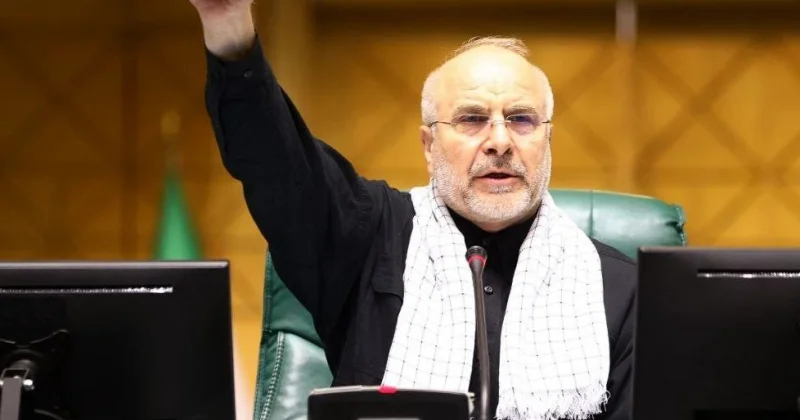
Mohammad Bagher Ghalibaf, Iran’s Parliament Speaker, used an audio message on May 6 to press Iranians at home and abroad into what he portrayed as a national wartime effort, saying the country was engaged in one of the biggest wars in Iran’s contemporary history. He laid out five requests and urged people to treat saving and reduced consumption as, in his words, "the missile the people can fire at the heart of the enemy."
Ghalibaf also called for reviving mutual-aid networks similar to those formed during the COVID-19 pandemic and said the Basij militia should return to what he described as its historic role as a neighborhood-based force that helps citizens navigate daily hardships. He directed part of his appeal to Iranian professionals and experts abroad, asking them to contribute ideas and resources to ease wartime economic pressures and saying they should not wait for official outreach but "force officials" to use their capabilities.
The message came as Ghalibaf has been trying to reassert himself after a period in which hardline critics appeared to sideline him and he largely retreated from public view before gradually re-emerging. He rose to prominence during the 12-day war with Israel and the United States in 2025, and after Khamenei’s death he headed Iran’s delegation in the Islamabad talks with the United States, a role that drew accusations from hardline critics that he had shown weakness in negotiations and failed to resist Western pressure.
That appeal to the diaspora also exposed a fault line in Iran’s political class. Some Iranians overseas criticized the message on social media, arguing that authorities could not ask expatriates for help while hardliners still threatened confiscation of assets and punitive measures against critics abroad. The split underscored how war, sanctions and political suspicion continue to limit the reach of even the state’s top appeals.
Ghalibaf’s language also clashed with the recent record of the Basij, which was central to the suppression of protests during the 2022 Women, Life, Freedom movement and the unrest of January 2026. At the same time, establishment figures including former government spokesman Ali Rabiei and centrist politician Mohammad Atrianfar have recently argued that the state must first reconcile with its own citizens before it can stabilize the country externally, with Atrianfar warning in an interview with Khabar Online that failing to respond seriously to public demands risked further erosion of public trust.
For Ghalibaf, the appeal was a bid to turn a fractured political moment into shared discipline. Whether Iranians abroad hear it as an invitation or as another demand from a state still struggling to win their trust is the question hanging over the message now.