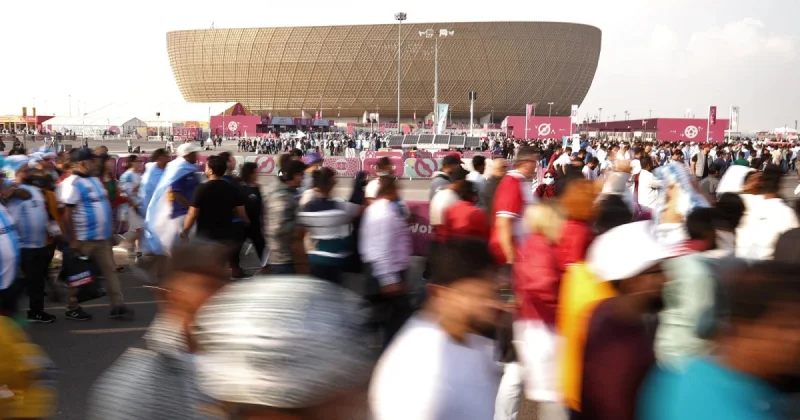
Donald Trump said he would not pay $1,000 to attend the U.S. match against Paraguay, pushing a live-ticket affordability fight into the middle of soccer’s biggest stage. The U.S. opens its World Cup campaign against Paraguay next month at SoFi Stadium in Los Angeles, and the price debate is now part of the buildup.
Trump said, “I would certainly like to be there, but I wouldn’t pay it either, to be honest with you.” His comment lands as FIFA moves ahead with World Cup ticket prices that can climb to $32,970 for the July 19 final at MetLife Stadium, a figure that has sharpened complaints about how much fans will have to spend just to get in the door.
The tournament will feature 104 matches across North America, but the sticker shock has already become part of the story. Some people are specifically complaining about dynamic pricing making World Cup tickets more expensive, even though Americans already pay exorbitant ticket prices for sporting events that are not nearly as rare as World Cup matches on U.S. soil.


Gianni Infantino has defended the prices, saying the final ticket costs are in line with the marketplace for similarly high-profile events in the United States. His argument reflects a broader reality: consumers are already used to steep prices for live events, from sports arenas to championship games, and the World Cup is entering that market as one of the most coveted tickets in the country.
The comparison has only intensified the backlash. On Jan. 19, 2026, the lowest tickets for the college football National Championship game were selling for $3,910 and the average ticket price was $5,740, while the day before this year’s Super Bowl, tickets on Ticketmaster started at $10,000. Even so, fans angry over World Cup tickets say scarcity should not be used to justify prices that many households simply cannot reach.
That is the tension FIFA now faces as the tournament moves closer: a World Cup built to span the continent is colliding with a U.S. sports market already defined by extreme pricing. For fans hoping to see the final in person, the question is no longer whether the games will matter. It is who can still afford to walk through the gate.