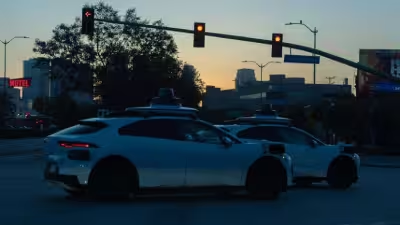
Uber has committed more than $10 billion to autonomous vehicles, a huge bet that marks a sharp turn away from the asset-light ride-hailing model that built the company. The move is aimed at keeping Uber competitive as the robotaxi market changes fast.
The Financial Times reported the commitment, underscoring how aggressively Uber is moving to defend its place in a business that has long depended on owning little more than software and a network of drivers. That traditional model helped Uber scale quickly, but the company is now pouring money into a technology race that could decide who controls the next phase of urban transport.

The size of the investment matters because it shows Uber is no longer treating autonomous vehicles as a side bet. It is a direct response to a market where rivals and partners are pushing robotaxis into wider use, and where the company’s future growth may depend on whether it can remain relevant when fewer rides need a human behind the wheel.
The shift also brings a tension that was once easy for Uber to avoid. Asset-light ride-hailing kept costs down and let the company expand without the burden of fleets, but autonomous vehicles demand deep capital and a longer horizon before returns are clear. Uber is effectively choosing to spend at a scale that could protect its market position, even if it means abandoning the discipline that defined its rise.
What comes next is whether Uber can turn that spending into a durable edge before the robotaxi market settles around a handful of winners. For now, the company has made its choice clear: it would rather pay to stay in the race than watch it from the curb.