Brent crude jumped as much as 4% on Monday before easing back, after Donald Trump called Iran’s reply to a US peace proposal “totally unacceptable” and signalled the standoff was still far from over. The benchmark touched $105.50 a barrel and later slipped to $103.50.
Trump posted the comment on Truth Social on Sunday evening after reading Iran’s response to a U.S. proposal delivered a week earlier. That plan was said to be a 14-point memorandum of understanding that would reopen the Strait of Hormuz and set a framework for further talks on Iran’s nuclear programme, but the Iranian counter-proposal reportedly sought a shorter moratorium and refused to accept the dismantling of its facilities.



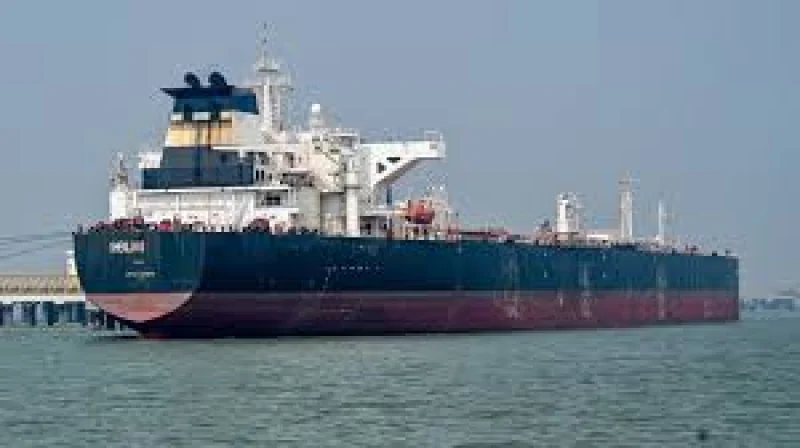
The market reaction was immediate. The Strait of Hormuz normally carries a fifth of the world’s oil and gas supply, and traders remain focused on how long that route stays effectively shut while the crisis enters its 11th week. Susannah Streeter said severe supply constraints are set to continue, adding that consumers, companies and countries are being forced to adapt to a world of constrained supplies.
The pressure did not stop with oil. The FTSE 100 opened 0.2% higher on Monday, with BP and Shell among the top risers, while France’s CAC 40 slipped 0.5% and Germany’s Dax dropped 0.9%. In Asia, Japan’s Nikkei fell 0.4% and Hong Kong’s Hang Seng lost 0.3%, though the Shanghai Composite rose by about 1% after China’s factory gate prices increased 2.8% in April from a year earlier. South Korea’s Kospi advanced 4.3%.
The strain now sits at the intersection of diplomacy and supply. The U.S. proposal was meant to reopen the strait and create a path for broader talks, but the latest exchange shows both sides remain entrenched. Trump is due to meet China’s president Xi Jinping in Beijing this week, adding another layer of market sensitivity as investors watch whether political crosscurrents deepen the crude oil price rally.