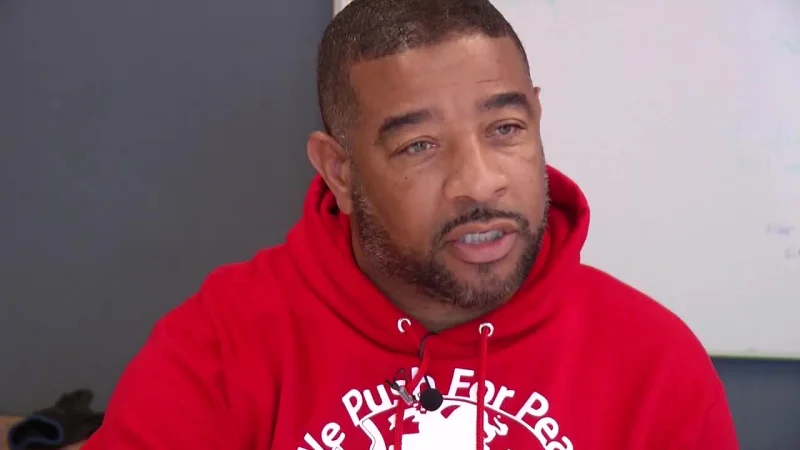
Minnesota Attorney General Keith Ellison on Friday filed a civil lawsuit against We Push for Peace and its former directors, Trahern Pollard and Jaclyn McGuigan, accusing them of diverting $6.5 million in charitable money to bankroll lavish personal spending and a private liquor store.
Ellison said the money should have gone to violence prevention and community outreach. “Instead of helping the community, they helped themselves to millions of dollars that should have gone into the community,” he said.
Pollard was accused of personally pocketing more than $6 million of the diverted funds. Prosecutors said he used the nonprofit’s money for trips to Las Vegas, luxury vehicles, shopping sprees at a Harley Davidson showroom and spa stores, child support, a personal IRS tax bill and private for-profit businesses. He also allegedly subsidized a used car dealership and a liquor store through the charity.
McGuigan, who served as the charity’s treasurer, was accused of transferring a recurring $1,000 a week from nonprofit accounts into her personal account. Prosecutors also said she stole thousands more in government grant money that she claimed were administrative expenses.
The lawsuit portrays We Push for Peace as a Minnesota violence interruption charity that once held lucrative contracts for community outreach and violence prevention before collapsing under what prosecutors called rampant abuse and blatant self-dealing. By the time Minneapolis asked for its help during Operation Metro Surge, prosecutors said the organization was utterly incapable of responding.
That gap is central to the case. A group that was paid to help stabilize neighborhoods, prosecutors say, had been hollowed out by the people running it. Pollard is also accused of submitting false statements under penalty of perjury after state investigators began closing in, a move that suggests the scheme was not just hidden but actively defended.
The lawsuit now puts the future of the nonprofit’s finances in court, where the state is seeking to unwind what it says was a long-running misuse of public and charitable money. For Pollard and McGuigan, the question is no longer whether investigators were watching. It is how much of the alleged diversion can be traced, proved and recovered.