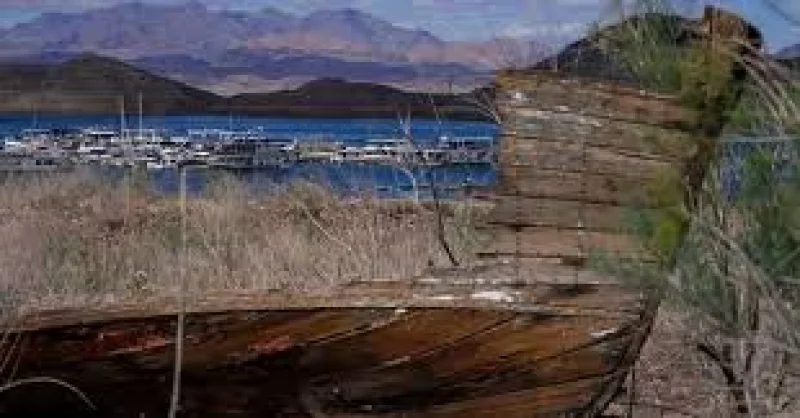
Arizona, California and Nevada this month announced a plan to save up to 1 million acre-feet of Colorado River water through 2028, a step meant to keep the shrinking river from slipping further into crisis as key rules on sharing its water run out this year.
The proposal would leave Nevada and Arizona taking about one-third less water than they are entitled to annually from Lake Mead, while California would cut its use by about 13%. It comes on top of earlier cuts announced by the three states and Mexico, bringing the total proposed savings to 3.2 million acre-feet.
The Colorado River supplies water to 40 million people across seven U.S. states, two Mexican states and Native American tribes, making any reduction in supply far more than a local dispute. The latest plan also lands in a region where the Central Arizona Project sends water through a 336-mile canal system to 6 million people in central and southern Arizona, while the Metropolitan Water District of Southern California serves 19 million people and depends on the river for about 20% of its supply.
Tom Buschatzke said earlier this week that the past winter had created what he called a crisis situation and that the plan was a short-term fix. He said the states need to do everything they can to find one. Kevin Moran was blunter, saying the Colorado River is tanking and warning that officials are at the 11th hour for strong, collaborative solutions to protect the river’s health.
The backdrop is a water-sharing system under strain for years, with negotiations among the states mostly broken down and about four months having passed since substantive talks. The U.S. Bureau of Reclamation is moving ahead with a plan in case the states fail to reach consensus in time, and it says it will release more water and earlier than usual into Lake Powell. With some of the governing rules expiring this year, the pressure is no longer theoretical; Arizona and its neighbors are negotiating against a clock that is already running out.