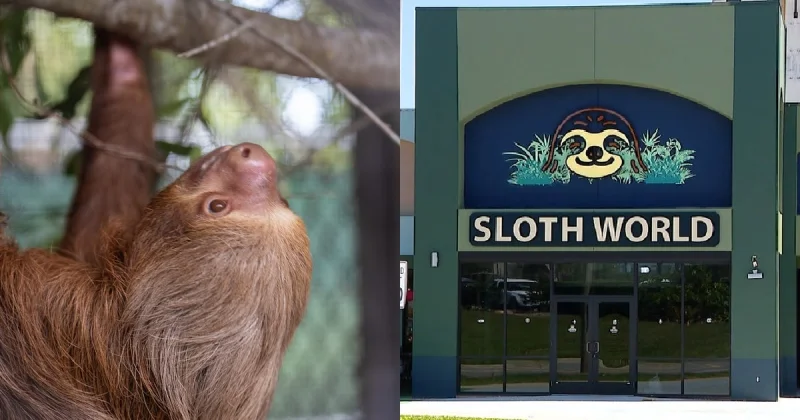
More than 50 sloths intended for Sloth World Orlando have died, and Florida lawmakers and animal experts are now pressing state officials to slow the flow of sloths into the state and possibly stop it altogether.
Among the dead are three sloths that were brought to the Central Florida Zoo for treatment, while state records show 55 deaths tied to the project. Florida state Rep. Anna Eskamani said Florida has a chance to slow the importation of sloths and ban it completely, and she said deaths under a class three permit should be reported and made public. She also said a permit should not be renewed while a death is still under investigation.
The pressure on regulators grew after Orange County Commissioner Nicole Wilson said the Florida Fish and Wildlife Commission investigated the warehouse in August of 2025 and failed to notify building inspectors. Wilson said if the agency had alerted code enforcement or county offices, local officials could have sent their own people to the site. She said current permitting rules left investigators unable to gain entry even though they saw evidence that animals were being kept inside.
The sloths were intended to be part of Sloth World Orlando, a project that drew scrutiny after the animals were kept in a warehouse with no electricity, no heat and no running water. Dr. Rebecca Cliffe said putting highly sensitive animals in those conditions led to suffering that was predictable, visible and entirely preventable. She said she struggles to understand how that does not amount to a violation under Florida law, which makes it a criminal offense to subject animals to unnecessary suffering.
Sam Trull said what happened at Sloth World was unusual because so many sloths died in such a short period, even if the underlying business model was not unique. That distinction now sits at the center of the fallout: not just whether one facility failed, but whether Florida’s rules are strong enough to prevent a repeat. Eskamani said the deaths first came to light because of media coverage, calling that a disgrace for state regulators, and the response from officials now points to the same unanswered problem. If the state will not treat deaths as public and permit renewals as conditional on the outcome of an investigation, the deaths tied to Sloth World suggest oversight arrived too late to protect the animals it was supposed to keep safe.