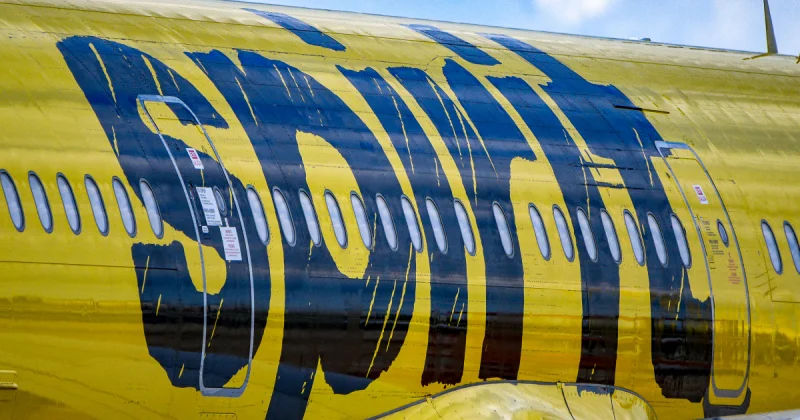
A social media pitch to buy Spirit Airlines has turned into a spirit airlines crowdfunding campaign that has drawn $337 million in pledges from more than 370,000 verified people, according to the man behind it. Hunter Peterson posted the idea on May 2, the day he said the budget carrier would close, and argued that if a fifth of Americans each chipped in $45, they could buy Spirit Airlines.
Peterson said his first version of the plan was to run the airline like the Green Bay Packers, a public ownership model that has more than 5 million shares split among more than 530,000 owners. He said he is not taking actual cash and is actively consulting lawyers as he learns the regulatory limits to the idea.
The proposal lands because Spirit has spent years in financial distress. The airline was described as the budget-friendly carrier America loved to hate, and it is bankrupt after filing in 2024 and again in 2025. In its 2025 bankruptcy filings, Spirit said it had been bleeding money for years, after failed merger attempts with Frontier in 2022 and JetBlue in 2024. By August 2025, it had accumulated around $8.1 billion.
Experts say the scale of the airline business makes Peterson’s pitch far harder than a typical online fundraiser. Charles Elson said an airline is a very complicated financial enterprise with too many moving parts, from lenders and aircraft liens to airport facilities, lease arrangements and union contracts with pilots, flight attendants, ground personnel and maintenance workers. He called the idea “a nice idea,” but said he would be shocked if it ever became a reality, adding that it is like going to Mars.
John Coffee Jr. pointed to the Securities and Exchange Commission as another major barrier. He said registering an airline as a publicly traded company is a time-consuming and expensive process, while SEC exemptions for crowdfunded companies max out at $5 million per year. Coffee said private placement offerings can raise unlimited amounts within a year, but only from individuals with a net worth of at least $1 million. He added that Spirit’s bankruptcy adds another layer of complications and said the plan is not a simple, clean offering because the company has essentially failed and every risk would have to be explained.
For now, the campaign is more viral than viable. Peterson’s website says the pledges show a burst of support, but the gap between online enthusiasm and actually acquiring and operating a bankrupt airline remains enormous.