Kathleen Naranjo was nearly eight years into paying off her share of $50,000 in student loans when the repayment plan she had been counting on vanished. The federal appeals court ruling last month ended the Biden-era plan, and the nurse said the loss makes her fear she could be paying the debt for life.
“That’s the only way that I can really do it, otherwise I’m going to be paying this loan until I die,” Naranjo said.
Her case captures the jolt now facing more than 7 million borrowers enrolled in the SAVE plan, who were told that beginning July 1 they will have 90 days to move into a new repayment option or be shifted into one by the government. For borrowers who had come to rely on lower monthly bills, the change lands today with real force: Naranjo’s payment had been cut to $92, and she had been working toward forgiveness after 10 years of public service as a nurse.


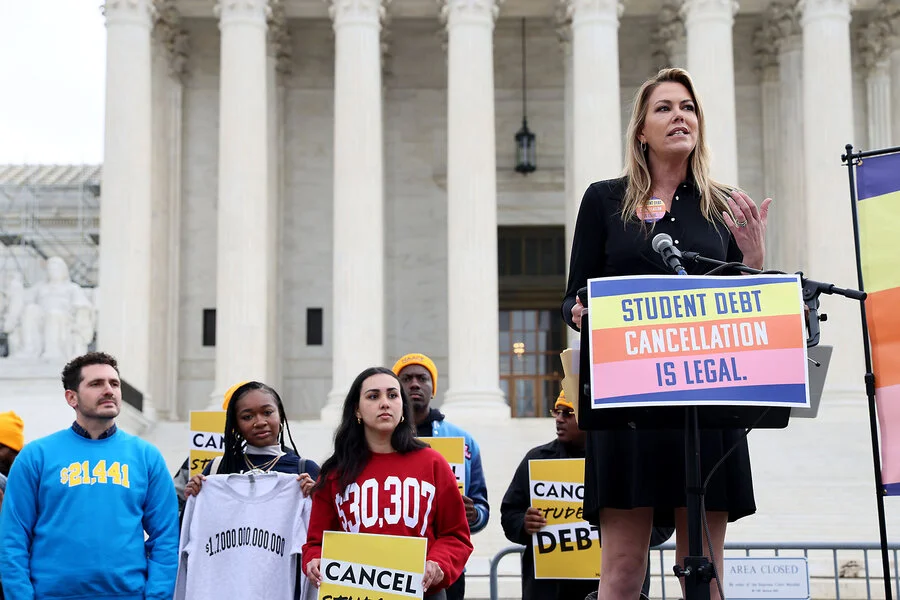
The SAVE plan arrived in 2023 as part of the Biden administration’s effort to make student loan debt more manageable after the three-year pandemic pause in payments. It tied bills to income, lowered payments to $0 for many of the lowest earners, prevented unpaid interest from piling up and offered earlier loan forgiveness. But Republican-governed states challenged the executive action, and the courts stopped it because Congress had not approved it.
That legal defeat is now colliding with a harder line from President Donald Trump’s administration. The government is moving student loan management from the Education Department to the Treasury Department, and it plans to begin garnishing pay, wages and tax returns to collect overdue debt. The approach will affect 44 million student loan borrowers nationwide, at a time when researchers at the Education Data Initiative say 12 million are behind on payments or already in default. The average federal student loan balance is $39,547, according to the group, while total student loan debt tops more than $1.8 trillion.
In March, Under Secretary of Education Nicholas Kent said the administration wanted to strip away the uncertainty that has surrounded the system for years. “For years, borrowers have been caught in a confusing cycle of uncertainty, but the Trump Administration’s policy is simple: if you take out a loan, you must pay it back,” he said.
The clash between the two administrations leaves borrowers like Naranjo in a bind. The promise that made decades of payments feel bearable has been cut off, and the replacement is a system built around collection. What happens next is not whether the debt disappears, but how many borrowers can keep up when the rules keep changing underneath them.