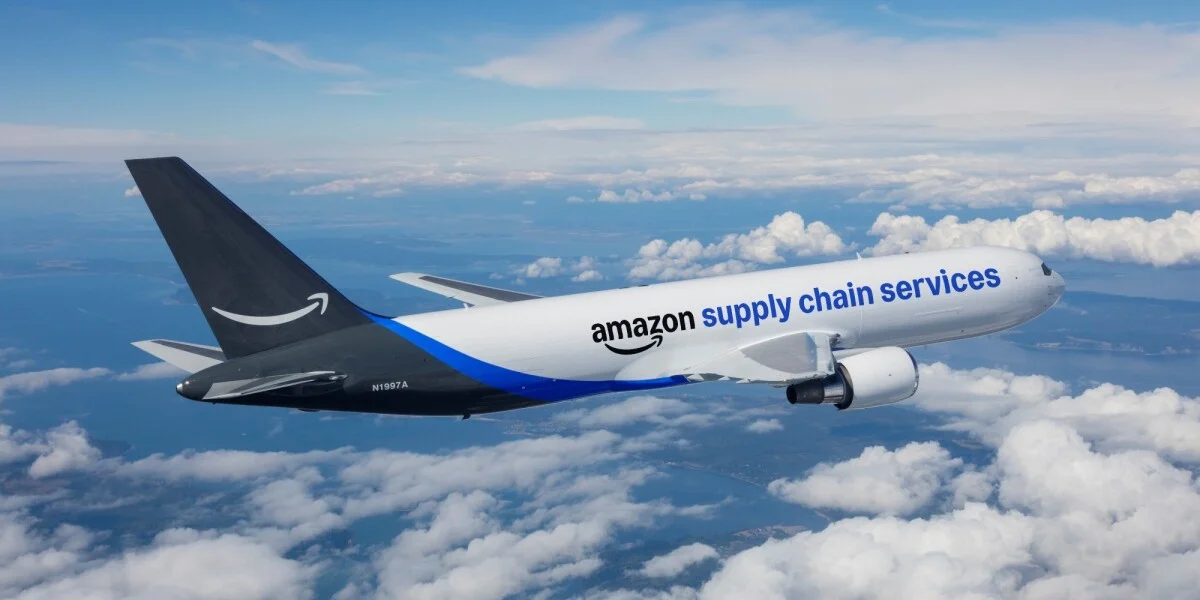
Amazon on 2026 launched Amazon Supply Chain Services, a new offering that lets businesses move, store and deliver products through the same supply chain that supports Amazon and its independent selling partners.
The company also said it is expanding its fulfillment offerings for Walmart, Shopify and SHEIN, part of a broader push to make its logistics network available beyond its own marketplace. Amazon is also introducing new AI customs tools, which it says will help smooth cross-border shipping.
The move matters because Amazon is turning a system built for its own retail machine into a service it can sell to other businesses, widening the reach of the network that already handles goods from raw materials to finished products. For companies trying to get inventory into the right place faster, the pitch is simple: use Amazon's scale instead of building your own.


That promise is already part of the appeal for Sylvia Kapsandoy, who has said Fulfillment by Amazon has allowed her to focus on innovating and growing her spice brand, USimplySeason. Her experience points to the broader bet behind the new launch: if Amazon can keep making logistics easier to outsource, more sellers may decide the warehouse, delivery truck and customs paperwork are somebody else’s problem.
The tension is that Amazon is now moving deeper into territory that overlaps with the businesses it also serves. Expanding fulfillment for Walmart, Shopify and SHEIN shows how far the company is willing to push its network, but it also raises a familiar question for the retailers and brands that rely on Amazon: how much control are they willing to hand over in exchange for speed, reach and fewer shipping headaches?
For now, Amazon is signaling that its logistics business is no longer just support for its own checkout button. It is becoming a product in its own right, and that could make ups stock a name investors watch closely as the company tries to turn supply chain muscle into a new line of growth.