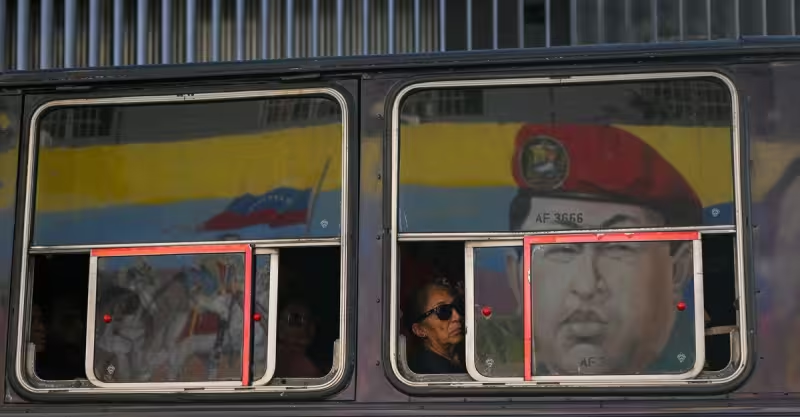
U.S. troops hustled Nicolás Maduro onto an aircraft in the dead of night on Jan. 3, ending his rule in a shock operation that has already faded, in some ways, into the background of daily life in Venezuela. Three months later, Caracas is quiet, the streets are calm and the country is moving again as if the upheaval had been filed away with the rest of its hard history.
That does not mean Venezuela is healed. Government services and the bleak economy have not improved much, but oil revenue is increasing and many people now talk with a guarded optimism about what Maduro’s departure might make possible. Caraqueños described the streets as quiet, and a poll by AtlasIntel and found that nearly 80 percent of Venezuelans think the country is the same or better off now than under Maduro, while 54 percent said greater U.S. influence is positive and 52 percent said civil liberties have increased.
Washington’s handpicked interim authorities are led by Maduro’s vice president, Delcy Rodríguez, and they have moved quickly to roll out investor-friendly measures designed by their new North American patrons. For years, Venezuela had been gripped by turmoil and economic calamity, and the state had relied on widespread arbitrary arrests to keep control. That pressure has eased, but the country’s political transition has not produced the democratic rights that millions of Venezuelans were promised.

Read Also: Articles Of Impeachment: Larson Targets Trump Over Venezuela and Troops
That gap is what makes the Venezuelan reset so uneasy. Secretary of State Marco Rubio and other advocates of replacing Latin America’s leftist strongmen made representative government a central goal, yet the conspicuous caveat now is that democracy remains elusive even after Maduro is gone. Seth Moulton, in a related warning about the operation, said some of the worst fears did not come true, but that success on Trump’s terms did not make it right, and that letting it stand as the new normal should terrify Americans because it would encourage the president to do it again.
For now, venezuela looks less like a country in free fall than one suspended between relief and denial. The calm is real, the money is flowing a bit faster, and the optimism is genuine. So is the central problem: millions of people still live under a political arrangement that has not yet delivered the rights, institutions or accountability that would make the change mean more than survival.