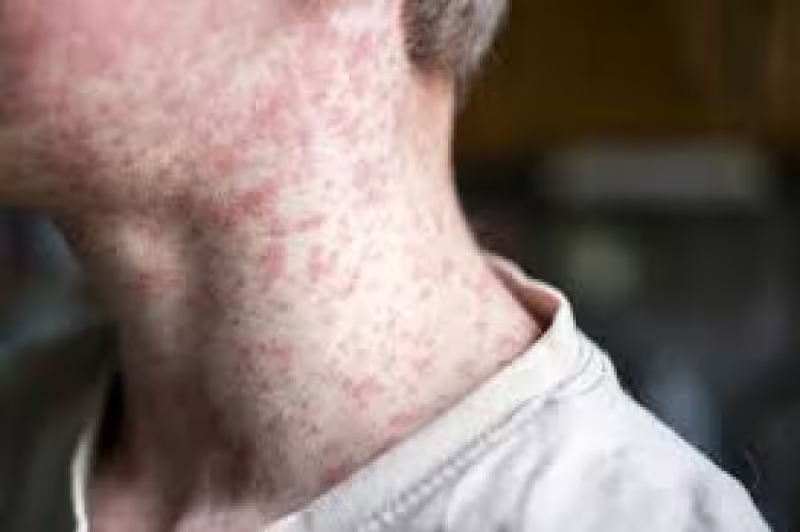
Bangladesh’s measles outbreak has surged since early January, beginning in the Rohingya refugee camps in Cox’s Bazar and then spreading well beyond the coastal district. The first wave of infections was identified in the camps on January 4, and within weeks transmission had been reported across multiple districts, including major urban centres.
The numbers now point to a widening crisis. Current estimates put suspected infections nationwide at as many as 7,600 between March 15 and April 5, with at least 113 suspected deaths in the same period. The camps, which held more than 1.1 million refugees as of December 31, 2025, include about 190,000 children under five, a group especially vulnerable to measles.



The outbreak’s roots are in a population that arrived with little protection. Many Rohingya children had never been vaccinated because of long-standing gaps in immunisation in Rakhine State, and the 2017 displacement period saw over 1,700 suspected measles cases within months. Bangladesh and partner organisations responded then with rapid, large-scale measles-rubella vaccination campaigns that reached thousands of children aged six months to 15 years, followed by additional rounds for those missed the first time.
This time, the camp outbreak is intensifying in a place already described as extremely overcrowded, where daily movement between the camps and surrounding communities creates paths for transmission beyond Cox’s Bazar. Epidemiological data specific to the camps remain limited and are often less visible within broader national reporting, even as the national tally climbs.
The hard part now is not whether the virus can keep moving. It already has. The question is whether Bangladesh can close the immunity gaps quickly enough to stop the camps from seeding more infections in a country that is still counting the cost.