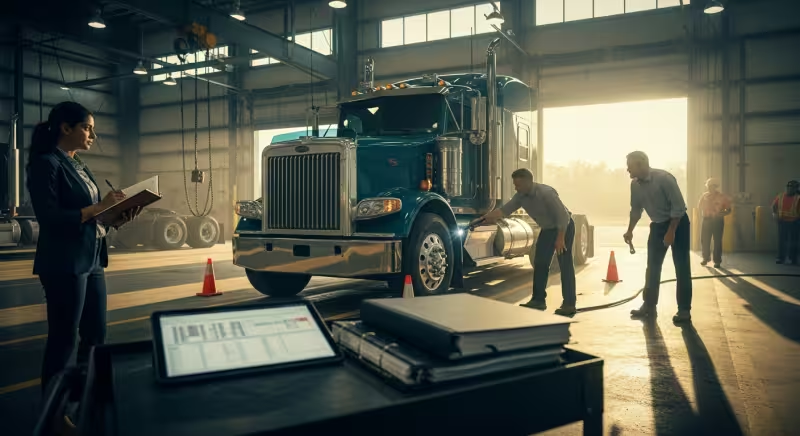
A surge in multi-million dollar nuclear verdicts and settlements is reshaping the legal landscape across the Gulf South, with Alabama and Mississippi at the center of the shift. Insurance carriers handling high-exposure commercial truck and workplace accident claims are feeling the pressure as liability claim severity in Alabama jumped 59% from 2020 to 2024.
The numbers are landing at a moment when the human toll is already plain. Alabama recorded 75 fatal work injuries in 2022, and transportation events were the leading cause. Mississippi saw a 30.6% increase in work-related fatalities that same year, underscoring how often the cases now moving through court are tied to deadly crashes and industrial accidents rather than routine slip-and-fall claims.
That is changing how plaintiff firms build cases. Juries are increasingly willing to award substantial punitive damages in commercial trucking and industrial accident trials, and third-party litigation funding is helping finance the long, expensive fights needed to press those claims against corporate defendants. In that environment, a personal injury attorney working in Alabama is often dealing with more than a negligence case; the strategy now turns on whether the conduct can be pushed into wantonness.
Read Also: Arkansas Baseball sweeps No. 9 Alabama with late rally in Tuscaloosa


Alabama's pure contributory negligence rule makes that fight especially sharp. A plaintiff can be completely barred from recovery if found even 1% at fault for their own injuries, a defense that gives carriers and corporate defendants a major advantage unless the plaintiff can get around it. That is why plaintiff firms in the state have shifted from proving simple negligence to establishing wantonness, because a finding of wantonness bypasses contributory negligence and opens the door to uncapped punitive damages.
The result is a legal climate in which the size of the verdict can matter as much as the underlying accident. For insurers, the question is no longer just how to defend a claim, but how to do it in a region where juries are more willing to punish trucking and industrial defendants and where the financial backing behind the plaintiff side can sustain a case long enough to force that result.
Read Also: Alabama Baseball Stunned as Arkansas Erases Lead in 7-5 Win
That is the answer the market is already giving: in Alabama and Mississippi, the pressure is not coming from one headline verdict but from a broader run of nuclear awards, rising fatal workplace losses and a defense system built around a fault rule that plaintiff lawyers are now working hard to sidestep.