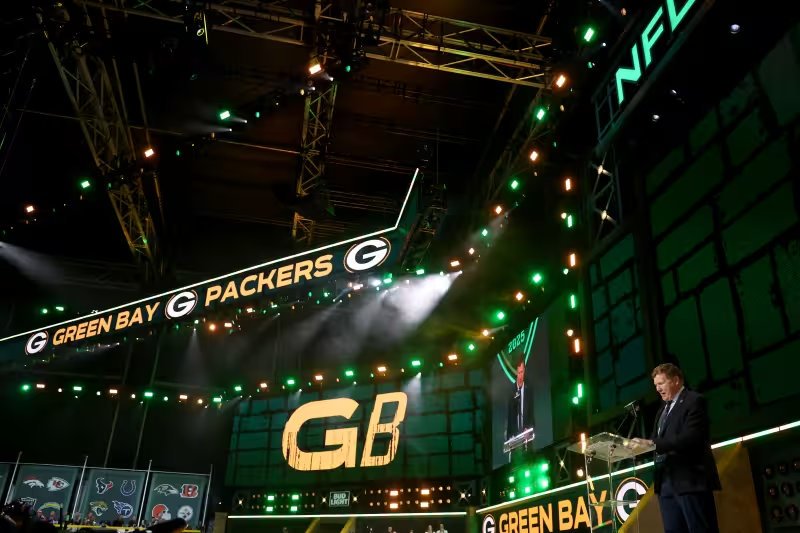
The Packers do not have a first-round pick in the 2026 NFL Draft, but they do have a decision to make at No. 52. With only three top-150 selections — 52, 84 and 120 overall — Green Bay is weighing whether to stay put or turn the 21st selection in the second round into more help later in the draft.
One proposed deal would send Packers picks 58 and 138 to San Francisco in exchange for pick 52, a move back of just six spots. On the Rich Hill draft trade value chart, Green Bay’s 52nd pick is worth 109 points, while the 49ers’ 58th selection is valued at 93 points. The San Francisco package also fits because the 49ers own four fourth-round picks between 127 and 139 overall, giving them the flexibility to include No. 138.
Another scenario has the Broncos sending picks 62 and 108 to Green Bay for 52 and 201. That would drop the Packers back 10 spots, and the numbers line up on the trade chart: pick 62 is worth 87 points. Denver has no selections in the first or third rounds, which makes its day-two capital more important if it wants to move up.


The Raiders and Cardinals also sit in the range where a deal could work. A Raiders package of picks 67 and 102 matches the value of Green Bay’s pick 52, while Arizona could send picks 65 and 104 in exchange for 52 and 236. Those offers reflect the same basic question facing the Packers: whether to use No. 52 as a premium chip to add volume later, especially in rounds three and four.
That is where the 2026 class changes the calculation. The draft is viewed as deeper in day-two prospects than at the top, and Green Bay could use that to its advantage if it believes the best return comes from collecting more swings rather than holding the 52nd pick. The Packers already sit without a first-rounder, so the path to adding impact talent may run through trade-downs that turn one decent pick into two useful ones.
The cleanest choice may be the one that brings the most balance to the board. If Green Bay believes the right player will not reach 52, then moving back for extra selections in the third and fourth rounds makes sense. If the board thins faster than expected, the Packers may decide that staying at 52 is the safer play.