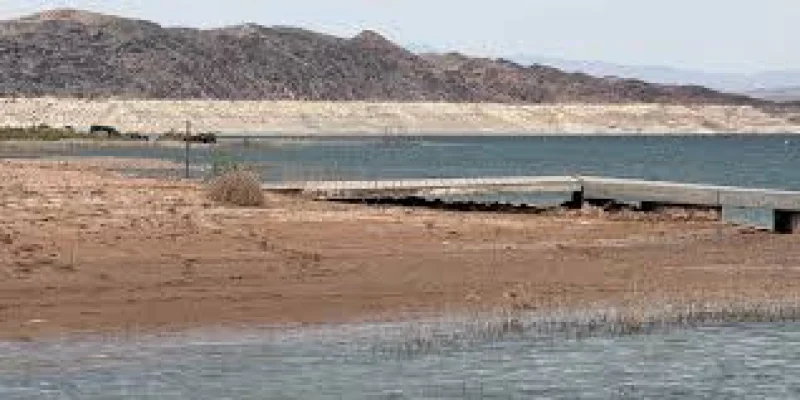
Arizona, California and Nevada announced this month a plan to save up to 1 million acre-feet of Colorado River water through 2028, a short-term deal meant to keep the river system from sliding further out of balance. The three states would take about one-third less water than they are entitled to annually from Lake Mead under the proposal.
Tom Buschatzke, Arizona’s water negotiator, said the driest winter on record helped create what he called a crisis situation and argued the states need a short-term fix. The Colorado River supports 40 million people across seven U.S. states, two Mexican states and Native American tribes, while farmers use it to irrigate millions of acres and some 155 utilities depend on it for hydropower.
The proposal comes on top of cuts already announced by the three states and Mexico that total 3.2 million acre-feet, or 139 billion cubic feet, of proposed savings. Earlier this week, the U.S. Bureau of Reclamation said it will release more water and earlier than usual into Lake Powell, one of the two biggest reservoirs on the river and in the country, as officials try to stabilize supplies flowing through the system.
The agreement is only a first step. It still needs approval from federal officials and state lawmakers, and some of the rules that govern the water-sharing pact expire this year. That deadline has given the negotiations urgency, even as talks among the states have mostly broken down and about four months have passed since they had any substantive discussions.
The divide is clearest between the Lower Basin, which includes Nevada, Arizona and California, and the Upper Basin states of Utah, Colorado, Wyoming and New Mexico. Upper Basin states have suggested a mediator is needed, a sign of how far apart the sides remain as they try to rewrite the terms that govern one of the West’s most important water supplies.
Kevin Moran said the river is tanking and warned the region is at the 11th hour in needing strong and collaborative solutions to protect its health. The California Arizona Nevada Water Agreement may buy time, but the real test is whether the states can turn a stopgap into a broader deal before the current rules run out.