Utah’s planned 1,300-bed homeless services campus on Salt Lake City’s west side could cost far more to build and run than state officials have said, according to a new report presented Thursday. The estimate has added fresh pressure to a project already facing scrutiny over its location and scale.
Kimbley Burnett and Samuel Dastrup said the campus could cost at least $142 million to build, nearly double the state’s approximately $75 million estimate, and could cost at least $47 million a year to operate once it opens, above the state’s $34 million annual figure. Burnett said, “We think that the state's estimates are fairly drastic underestimates,” as she laid out the report’s findings.
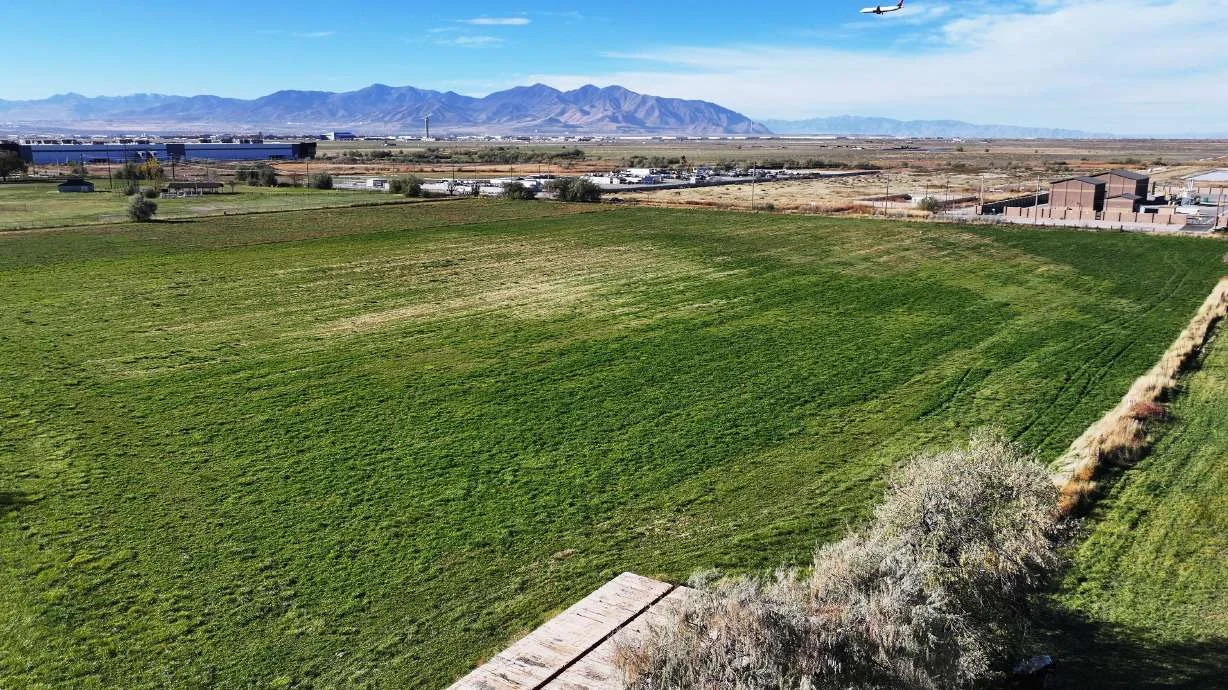
The Utah Office of Homeless Services and the Utah Homeless Services Board announced in September that they had reached a contractual agreement to acquire a nearly 16-acre parcel in Salt Lake City’s Northpoint area for what officials described as a first-of-its-kind state homeless services campus. Wayne Niederhauser has said the goal is to build a facility that offers stability for people experiencing homelessness so they can reach “long-term self-reliance.”
Burnett and Dastrup first published their report in late April after reviewing construction costs for similar campuses in five cities — Atlanta, Dallas, Phoenix, San Antonio and Reno, Nevada — and comparing those figures with local homelessness data. They said Salt Lake County’s patterns are unusual compared with peer cities, with spikes in unsheltered and chronic homelessness, more self-reported cases of chronic substance abuse and serious mental illness, and a sharp rise in people experiencing homelessness beginning in 2022. Dastrup said rising housing costs and housing instability appeared to be a major factor.
The report also says the campus could blend high-risk and low-risk individuals in ways that could “worsen outcomes” for people with fewer needs, and it questions whether the number of high utilizers will be as large as projected. That uncertainty lands at a sensitive moment for Utah officials, who have not said whether they still plan to build the facility despite the higher cost estimate and continuing criticism over the site’s distance from most resources and its proximity to the Great Salt Lake.
The dispute now turns on whether the state accepts a much larger price tag, scales back the proposal or pushes ahead with the Northpoint campus as planned. For people like those Burnett and Dastrup say the site is meant to serve, that decision will shape not just where help is offered, but what kind of help Utah is willing to pay for.