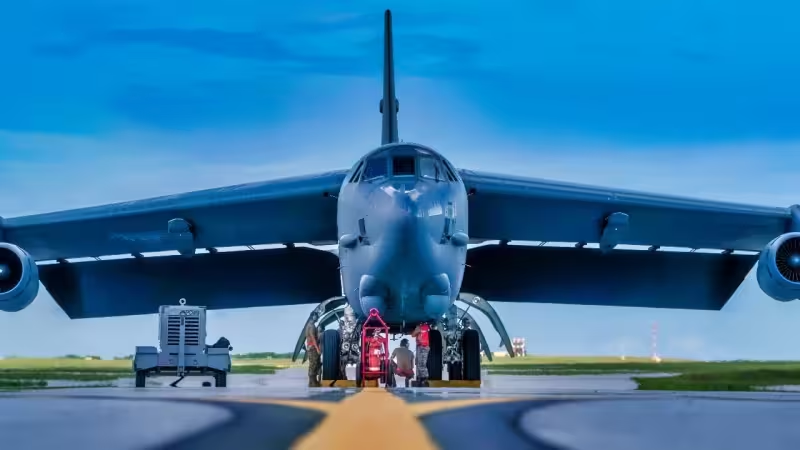
A B-52H Stratofortress flying from RAF Fairford declared an in-flight emergency over southern England on March 24, sending a 7700 distress code before returning safely to base. The bomber had left the Gloucestershire airfield the previous evening, then was seen circling near Southampton at about 10,000 feet before making a controlled landing.
A 7700 code is the universal aviation signal for a general emergency. Flight-tracking observers suggested the aircraft may have had a cabin-pressure problem, but no official cause has been confirmed.
The emergency came as RAF Fairford has taken on a central role in U.S. long-range bomber operations tied to the ongoing campaign in Iran. Earlier in March, the UK government approved the use of British bases for U.S. strikes on Iranian missile sites, and multiple bomber deployments have followed from Fairford since that decision.

Read Also: Netanyahu watches as U.S. built an improvised airfield inside Iran to rescue a downed airman
B-1B Lancers and B-52s have operated from the base in support of what U.S. officials described as some of the most intense strike days of the campaign. That has put an old Cold War runway back at the center of a modern air war. RAF Fairford is the only forward operating location in Europe designed to support U.S. heavy bombers, with the runway and infrastructure needed for fully loaded aircraft.
The B-52 itself remains a blunt instrument built for distance and payload. The bomber can carry 70,000 pounds of mixed ordnance, and the B-52H is expected to stay in service into the 2050s. It first entered service in the 1950s and has outlasted the wars that gave it its original purpose.
Fairford has carried this burden before, supporting U.S. operations in the Gulf War, Kosovo, Iraq and Afghanistan. Now it is playing the same role in the 2026 Iran War, with the latest emergency offering a reminder that even the most routine sortie can turn quickly once a heavy bomber is airborne.