An unsettled weather pattern is set to sweep into Wisconsin this week, bringing rounds of rain and storms mixed with dry stretches that could still include some sunshine. Temperatures are expected to stay above average through late week, but the break in the rain will be brief and the biggest storm chances will come Tuesday and Wednesday.
Heavy rain and small hail are the main severe-weather threats Monday night into Tuesday morning as showers and storms end from northwest to southeast. Flooding could develop in some communities if rainfall amounts get high enough, especially along rivers that are already running high after wet conditions through the first quarter plus of 2026.
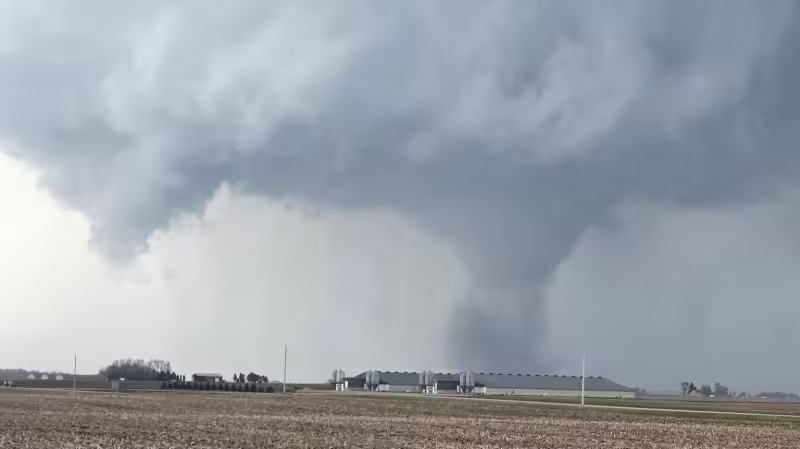
That threat sharpened with an additional First Alert Weather Day for communities around and south of Highway 10 on Tuesday evening. The best chance for severe weather in Wisconsin is expected closer to Madison and Milwaukee, with storms timing in around 4-10 PM. Large hail is the primary concern during that window, and Tuesday’s highs are expected to top out in the low to mid-70s.



Wednesday brings another round of storm potential, this time later in the day and again with strong winds and hail possible. The strongest storms are most likely in the southern third of the state, where highs should reach the mid to upper-60s. The day is expected to stay mostly cloudy, with scattered afternoon showers and storms possible in the southern half of the area before the wet weather lingers Wednesday night into Thursday morning.
The pattern does not settle down quickly after that. Once the rain ends Thursday, clouds are expected to break for a bit of sun later in the day. Friday turns cloudier again, with scattered afternoon and nighttime showers or storms possible. Saturday is expected to cool off sharply, starting with morning rain showers and then possibly shifting to rain and snow showers as temperatures fall from the 40s into the 30s. Sunday stays chilly and mostly cloudy with a high in the upper 30s.
The run of weather is a reminder that Wisconsin is moving through a stretch of repeated rain and storms, not a one-day event. The immediate question for communities along already swollen rivers is whether the next round of rainfall stays manageable or pushes them into flooding before the week is out.