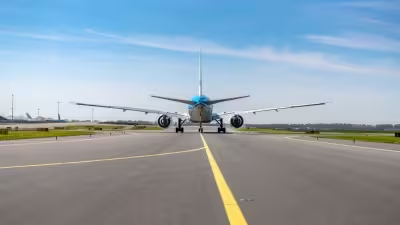
Tankers trying to pass through the Strait of Hormuz are being told not to pay Iran for safe passage, even after a ceasefire agreed on Tuesday failed to get traffic moving again. Iran has suggested ships must seek its permission or risk being targeted and destroyed, and has also floated the idea of a fee in return for passage through one of the world’s most important shipping lanes.
Phillip Belcher, a senior figure at Intertanko, said the industry group does not believe tolls are the right way to handle the crisis and is still advising members not to use the strait because an attack could happen at any time. He said the waterway is not safe until there is a lasting cessation of conflict, attacks on ships have stopped and some form of coalition-of-the-willing oversight is in place. He also said the strait is under the de facto rule of the Iranian military and that payment to the IRGC, which he described as a designated terrorist organisation, should be avoided.


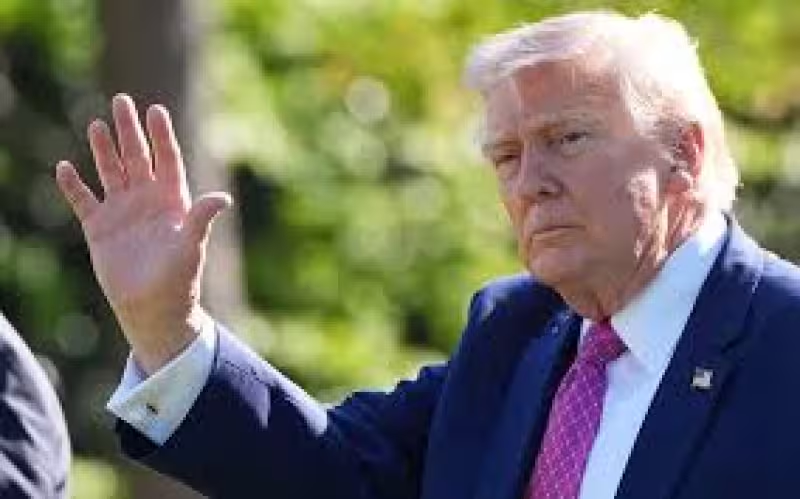
The stance from Intertanko lands in the middle of a broader scramble over how the waterway should operate after the ceasefire. US Vice President JD Vance is due to meet representatives of the Iranian government in Islamabad in Pakistan on Saturday to try to nail down the details of the deal, while some media reports have suggested Tehran’s plan includes the right to demand transit fees of $2m per ship, with the proceeds shared between Iran and Oman. President Trump earlier this week suggested the US and Iran could levy fees as a joint venture before later posting that if Iran is charging fees to tankers going through the Hormuz Strait, they should stop now.
Read Also: John Fetterman rebukes Democrats mocking Trump’s Iran ceasefire deal
Arsenio Dominguez said countries should respect the already established right to freedom of navigation and that international straits are for the use of everyone, with no toll restrictions imposed. The facts on the water, however, show the ceasefire has not restored normal traffic: only 15 vessels have made the trip through the strait since Tuesday, compared with almost 140 each day before the conflict. Almost 800 ships remain stranded in the Gulf, most of them loaded with cargo, while the strait continues to carry a fifth of the world’s oil and gas supplies. Intertanko, which represents 190 independent tanker operators and more than half of the world’s oil tanker fleet, is urging caution because the pressure over who controls passage is still unresolved.