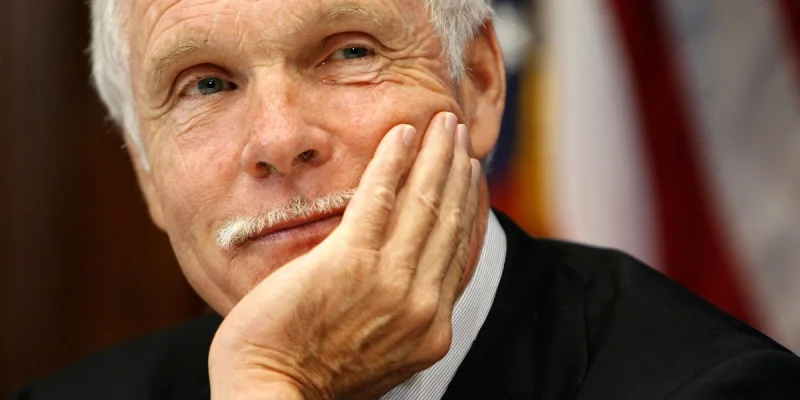
Ted Turner, who died Wednesday at 87, spent much of his business life building a media empire and then watching part of it slip away. At an opening in October 2006 for Ted's Montana Grill in midtown Manhattan, he was asked whether Jerry Levin had pushed through the AOL deal partly to dilute him and block any attempt to replace Levin as chief executive.
“I don't know if it was the main reason,” Turner said.
The question landed because Turner was not just any retired mogul looking back on old grudges. He had sold Turner Broadcasting, owner of, TBS, TNT and the Cartoon Network, to Time Warner in 1996 and pocketed around $7.5 billion in Time Warner stock. At the time, he owned over 10% of the combined company and served as vice chairman, still overseeing his former networks.

Then came the AOL transaction in 2001. After Time Warner's sale to AOL, Levin effectively stripped Turner of all management authority, and the new shares issued in the deal cut his stake to roughly 4%. The move did not erase Turner's wealth, but it did end his ability to matter inside the company he had built.
That was the tension hanging over the 2006 restaurant opening on the 16th floor, where only Pattie Sellers and the narrator, plus Timothy Hutton, showed up in the first hour or so. Turner was there to promote a new restaurant, but the bigger story was the old one: how a founder who had amassed around 11% of Time Warner's shares found his leverage reduced by a deal he had tacitly endorsed.
The broader arc is plain. A standstill agreement had prevented Turner from taking hostile action against Time Warner and barred him from buying more stock, while also requiring him to back the Levin regime in major matters. When AOL bought Time Warner, that restriction, along with the stock issuance, left Turner with little room to fight back. He had already been sidelined once; the deal made it permanent.
Turner lived long enough to see that history harden into company lore, with the old question still trailing him years later. The answer was never a clean admission, but the consequence was unmistakable: the man who helped create one of the defining media companies of its era lost control of it before he lost the public's memory.