The Trump administration is pushing national park, refuge and wilderness area managers to scale back hunting restrictions, and the change is already reaching some of the country’s best-known public lands. In January, Interior Secretary Doug Burgum ordered multiple agencies to remove unnecessary regulatory or administrative barriers to hunting and fishing, saying public and federally managed lands should be open unless a specific, documented and legally supported exception applies.
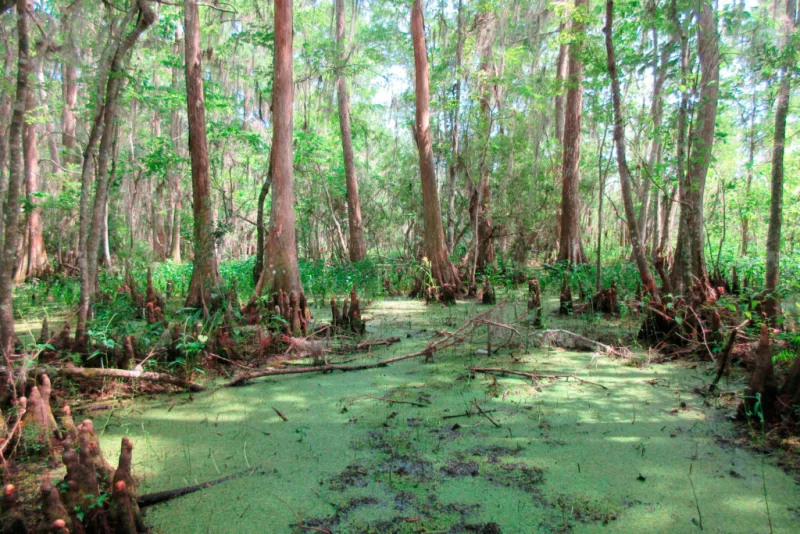
The order applies to 55 sites in the lower 48 states under the National Park Service’s jurisdiction. Managers at some locations have already lifted bans on hunting stands that damage trees, training hunting dogs, using vehicles to retrieve animals and hunting along trails. In Massachusetts, the Cape Cod National Seashore would extend the hunting season through spring and summer. In Texas, hunters in the Lake Meredith National Recreation Area would be allowed to clean their kills in bathrooms. In Louisiana, hunters would be allowed to kill alligators in the Jean Lafitte National Historical Park and Preserve.


Burgum said expanding hunting and fishing opportunities on department-managed lands would strengthen conservation outcomes and support rural economies, public health and access to outdoor spaces. The policy marks a broad effort to make federal land more available to hunters at a time when the sport has been shrinking under pressure from urbanization and changing demographics. Only about 4.2% of the U.S. population identified as a hunter older than 16 in 2024, leaving state wildlife agencies short on revenue from license sales and excise taxes on guns and ammunition.
The move also builds on how the National Park Service already works. Hunting is currently allowed across about 51 million acres in 76 sites, and fishing is allowed in 213 sites. Those parks and refuges usually follow state hunting and fishing regulations, but managers can impose extra limits when they believe public safety or wildlife resources require it. The Burgum order narrows that discretion, and that is where the fight now sits: between broader access and the places where managers still want to draw a line.
The immediate question is not whether more hunting will be allowed, but how far the administration intends to go in overriding local protections that park officials have long used to balance access with safety and conservation.