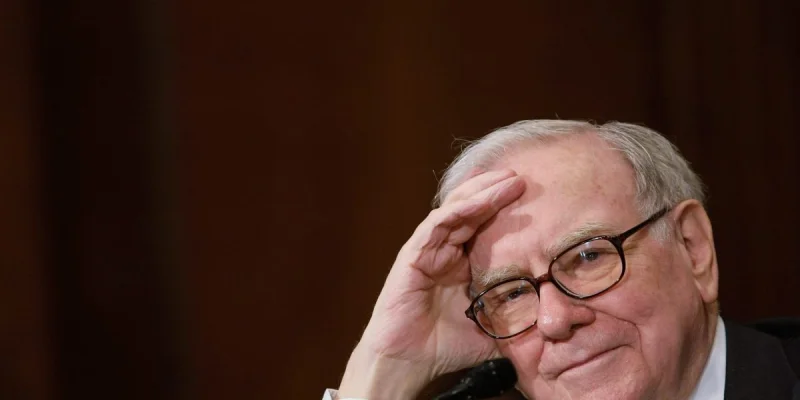
Warren Buffett says markets now look like a church with a casino attached, and he thinks the casino is getting more attractive by the day. Speaking Saturday during Berkshire Hathaway’s annual shareholders meeting in a CNBC interview, Buffett said one-day options are gambling, just totally, and warned that the mood around trading has shifted hard toward speculation.
“So we’ve never had people in a more gambling mood than now,” Buffett said, adding that prices for an awful lot of things will look very silly. He said he has spent 60 years in business and found only five years that were really juicy with opportunities, a reminder that the easy money in markets is usually the rarest kind.
The warning lands now because investors are still chasing fast profits in a market where Buffett says he still does not like the prices he is seeing. Berkshire has bought smaller companies, but the lack of mega-deals has pushed its cash pile to nearly $400 billion, a signal that even one of the most disciplined capital allocators in the market has been waiting rather than buying. Buffett said he and Berkshire can do nothing when no good bargains are available.


That caution stands in sharp contrast to the behavior he is criticizing. Earlier this month, the Justice Department charged a U.S. Army soldier with insider trading after prosecutors said he made $400,000 on a prediction market by knowing in advance about the military’s raid to capture Venezuelan dictator Nicolas Maduro. College and professional athletes have also been caught trying to manipulate prediction markets as online sports betting has exploded, a backdrop that shows how quickly the line between investing and wagering has blurred.
Buffett has long compared financial markets to a church with a casino attached, but he said the gambling side now feels unusually strong. Treasury Secretary Scott Bessent has made a similar point, warning that the get-rich-quick mindset often leads to more financial instability. Buffett repeated his old rule to “be fearful when others are greedy, and greedy when others are fearful,” and said the best time to buy is during steep downturns, when nobody will answer their phones because the markets are collapsing. For now, he said, the prices and the mood still look wrong.
The bigger question is whether investors hear the warning before the next bout of volatility forces them to.