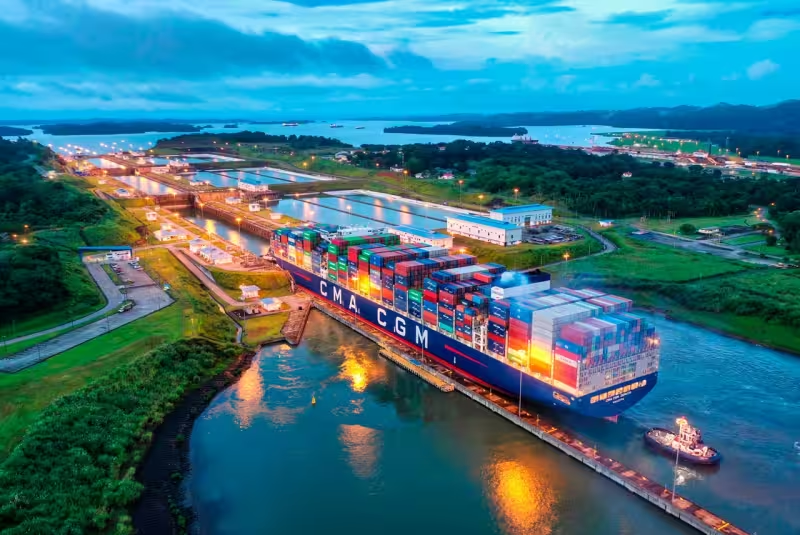
The Panama Canal handled 6,288 transits in the October 2025 to March 2026 period, 224 more than a year earlier, as cargo volumes climbed about 5% to 254 million PC/UMS tons. Daily traffic averaged 34 vessels in January and 37 in March, with peak days recently topping 40 transits.
Ricaurte Vásquez Morales said the waterway is "open and fully operational" and remains "open and reliable" even as geopolitical disruptions continue to reshape global trade. He singled out container shipping and liquefied petroleum gas as especially strong growth segments, underscoring how the canal has kept moving cargo despite the pressure on shipping routes elsewhere.
The latest figures matter because vessel operators have been watching the reservation system closely after Middle East conflict jolted shipping patterns and sent more carriers hunting for canal space. That pressure has shown up most clearly in the auction market for last-minute transit slots, where Víctor Vial said average prices ran around $135,000 to $140,000 before the conflict, then jumped to about $385,000 between March and April, with some individual bids above $1 million.
Canal officials said most ships still move under advance booking systems, including the Long-Term Slot Allocation program and dedicated LNG reservations, and they said the auction mechanism uses only a limited number of built-in slots without disrupting the order or timing of confirmed transits. Deputy Administrator Ilya Espino de Marotta said unusually heavy dry-season rainfall has kept Gatún and Alhajuela lakes at maximum levels, leaving the canal positioned to handle a possible El Niño later this year while maintaining normal operations.
That is the sharp break from 2023 and 2024, when drought forced transit cuts and draft restrictions that pushed some shippers to reroute. With the lakes full and officials saying they do not anticipate anything significant between now and December, the canal enters the second half of the year in a far stronger position than it was when weather, not demand, was the binding constraint.
For now, the challenge is not whether the Panama Canal can move ships, but how long global trade stress keeps paying up for the limited space that remains available. A recent NOAA El Niño Watch has put drought risk back on the industry's radar, and canal managers say they will keep watching conditions closely to protect service into the next dry season.