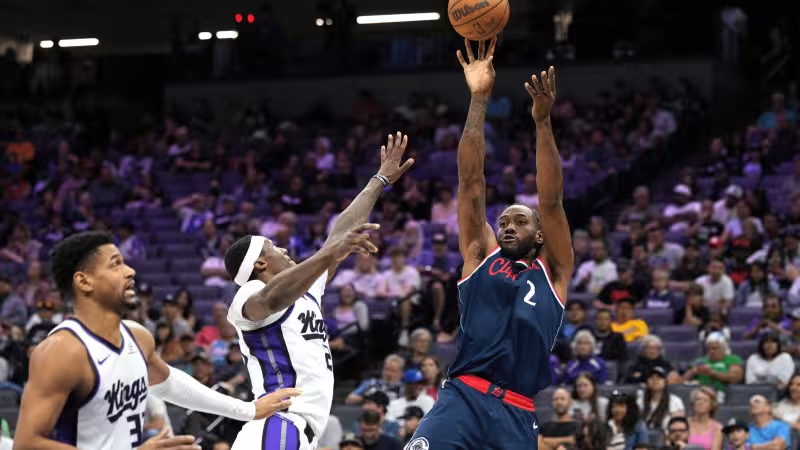
The Los Angeles Clippers met the Dallas Mavericks on Tuesday, April 7, with the West’s No. 8 spot hanging close enough that every night mattered. Los Angeles was only half a game ahead of the Trail Blazers, and the matchup came with an extra edge for anyone tracking Kawhi Leonard’s minutes and rebounding line.
Douglas Farmer’s view was blunt: “Less Leonard is more for LA tonight.” That line fit the setup because Leonard was expected to see his minutes limited once the Clippers built a safe lead, and his rebound prop had been a stubborn number for bettors to chase. He had not cleared it in any of his last seven games before April 7, had fallen short in his last two, and missed in five of his last eight.



The timing made the game matter beyond one box score. The Clippers played again the day after the Mavericks game, then traveled to Portland on Friday for a third game in four days, a stretch that could force them to balance urgency with caution. In a tight Western Conference race, holding position mattered as much as winning one night, and the schedule gave Los Angeles little room to manage Leonard any other way.
Dallas entered off a run that had not been kind to bettors, either. The Mavericks had gone 1-3 against the spread in their last four games, a small but telling mark in a game that was already shaped by market expectations, playoff pressure and the Clippers’ need to keep pace.
That leaves the same practical question hanging over Los Angeles now: how much Leonard can the Clippers use, and how much do they need to save for the games still ahead?