Tesla delivered 358,023 vehicles in the first quarter, enough to move past BYD and reclaim the global battery-electric vehicle market crown. The total was up about 6.5% from a year earlier, but it still marked Tesla’s worst delivery quarter in a year and fell short of Wall Street’s expectations.
The numbers matter because they show Tesla is still selling at a pace that keeps it ahead of its closest rival, even as demand remains uneven and competition keeps tightening in key markets. reported that Tesla deliveries missed analyst estimates, underscoring the gap between the company’s scale and what investors had been hoping to see.
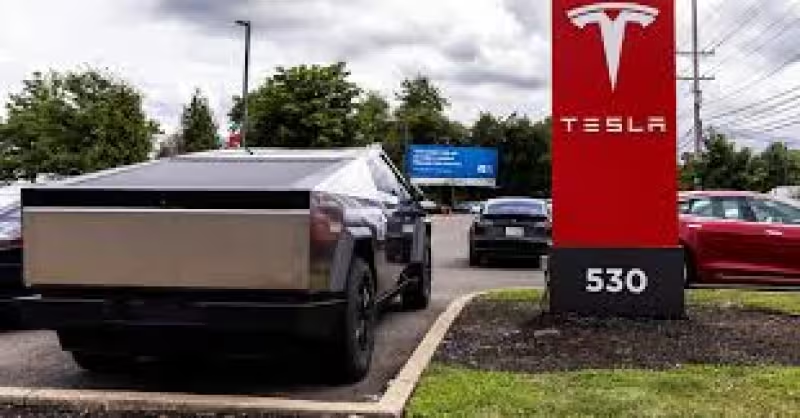
Tesla sold more battery-electric vehicles than BYD in the quarter, with BYD logging 310,389 battery-electric sales. But Tesla also built far more vehicles than it delivered, leaving more than 50,000 units on the lot, indicated. That inventory overhang is the clearest sign that the quarter was not as strong as the headline share of the market suggested.



The lift in China-made Tesla EV sales helped the quarter. Sales of those vehicles rose 8.7% in March, supported by outstanding European demand for Shanghai-built vehicles. The gain came despite broader pressure from uneven demand, the end of U.S. EV incentives and growing competition in other countries.
BYD’s own numbers point to a tougher backdrop across the market. Its car sales fell again in March, and its first-quarter sales were down about 30% from the same time last year. Chinese regulators have also tried to cool the price war by making it illegal to sell cars for less than their cost or use other dishonest pricing methods.
Tesla’s edge may be intact for now, but the quarter showed how fragile that lead can be. The company opened the year ahead of BYD, yet it did so with weaker-than-expected deliveries and a large pile of unsold vehicles — a combination that leaves the next quarter looking less like a victory lap than a test of whether demand can catch up with production.