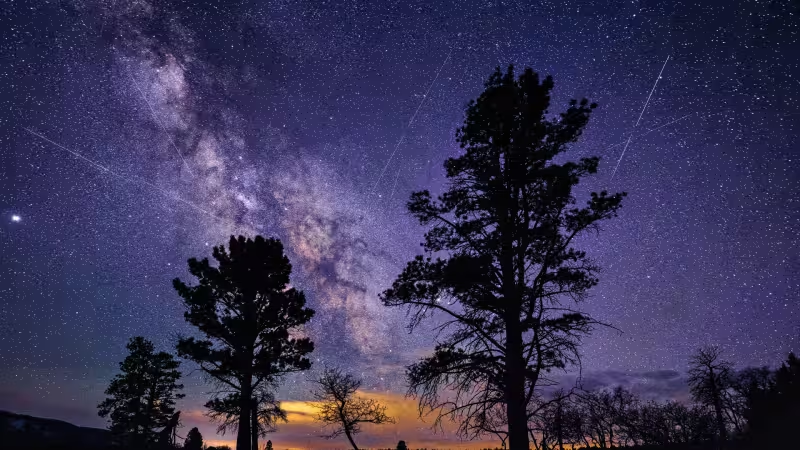
The Lyrid meteor shower will reach its next peak in the early hours of April 22, 2026, giving skywatchers their best chance of seeing Meteor Shower Tonight under dark skies before sunrise brightens the sky.
The best viewing window this year is early morning on April 22, when the shower's radiant is highest in the sky and the moon will not interfere because it sets after midnight. The radiant sits in the constellation Lyra, northeast of Vega, and is the point from which the meteors appear to originate.
The Lyrids arrive every year from April 16 to April 25 and are tied to Comet Thatcher, a long-period comet that circles the sun every 415.5 years. Thatcher last reached its closest approach to the sun in 1861, a reminder of how long this stream of debris has been moving through space before Earth crosses it again.
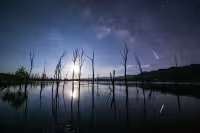
Most years, the shower produces about 15 to 20 meteors per hour. Some Lyrid outbursts have reached as many as 100 meteors per hour, but those bursts are hard to predict, so the safer expectation this time is a steady pre-dawn display rather than a sudden storm of streaks.
That is why April 22 matters more than any other date in the Lyrid window. The shower is active for days, but the combination of a high radiant, dark skies and no moonlight gives observers the clearest shot at catching the most meteors in the shortest span of time.
For anyone planning to watch, the answer is simple: get outside early on April 22. The Lyrids should be visible, the moon should stay out of the way, and the best chance to see them comes before the sun starts to wash the sky out.