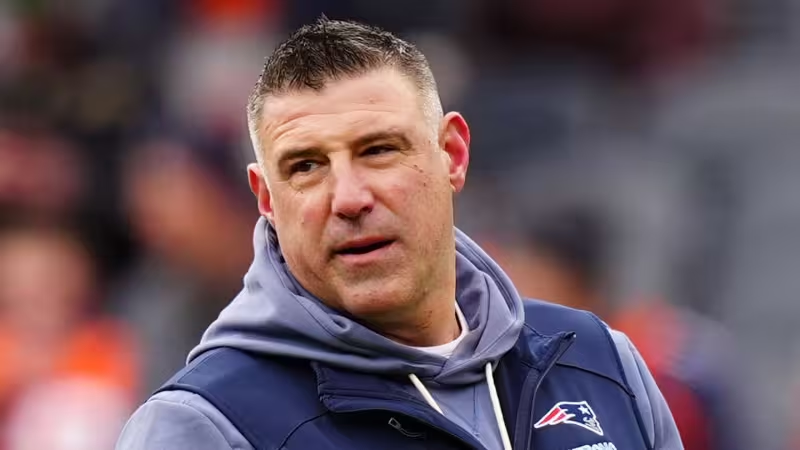
The Patriots’ offseason has been dominated by trade speculation involving A.J. Brown, but the team’s actual moves tell a different story. Under Mike Vrabel, New England has acted less like a club chasing a blockbuster and more like one gathering draft picks and short-term veteran help, with Stefon Diggs among the names tied to that plan.
Vrabel has been head coach for 14-plus months, and his lone splash move came during 2025 free agency, when the Patriots outbid the Carolina Panthers for defensive tackle Milton Williams. Williams signed a four-year contract that topped $100 million, the richest deal in franchise history, but that has not been the pattern since.
Instead, the Patriots have targeted short-term veteran rentals like Diggs and K'Lavon Chaisson while shipping out safety Kyle Dugger, pass rusher Keion White, linebacker Marte Mapu, defensive tackle Davon Godchaux and center Garrett Bradbury. Those moves brought back mostly sixth- and seventh-round picks, a clear sign that New England has been willing to turn present-day players into future lottery tickets rather than spend heavily in the other direction.
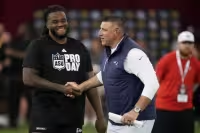

That approach matters now because the Patriots will enter next week’s NFL Draft with 11 total selections, including three inside the top 100 overall at Nos. 31, 63 and 95, plus eight picks on Day 3. They also hold nine selections in 2027, when the rookie class is projected to be elite, especially at quarterback and offensive skill positions.
That 2027 class gives New England another reason to resist a big swing today. If teams believe the next wave of talent is unusually strong, draft assets become more expensive to part with, and the Patriots already have the kind of stockpile that lets them wait.
The tension in this plan is obvious. The Patriots have been linked to a wide receiver headline in Brown and to veteran names such as Diggs, but their record under Vrabel shows a front office that has preferred smaller bets, not a franchise-altering trade. If that holds through the draft, New England is more likely to keep adding capital than to cash it in.