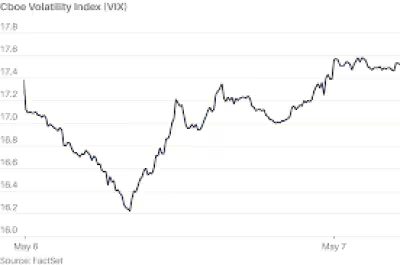
The VIX topped 31 on Friday, its highest level since March 2025, as the S&P 500 closed at about 6,370 and logged a fifth consecutive weekly loss. The index is now 9.0% below its January all-time high of 7,002 and about 4% under its 200-DMA near 6,620.
That move came even as realized volatility stayed much more subdued, leaving the gap between the VIX and actual price swings wider than historical norms and more than two sigma apart. The market’s fear gauge is still being pushed higher by the Iran conflict, sharp oil price swings and rising interest rates, while the equity market itself has not moved with the same force.


That mismatch matters because a VIX reading above 30 has historically been followed by tactical bounces of 3% to 8%, and the Relative Strength Index is firmly oversold. The MACD remains deeply negative, though, and every rally attempt this month has been sold within 48 hours, a reminder that buyers have not been able to hold control for long.
The signal facing investors is unusually mixed. Expected and historical volatility are pointing in different directions, and that has left traders trying to decide whether options markets are pricing in risks the stock market has not yet accepted or whether the shock from the Iran conflict and the oil surge will prove temporary rather than structural.
For now, the burden sits with the market that has been strongest all year. The S&P 500 has already given back a sizable slice of its January peak, and unless the recent pattern of failed bounces changes, the next decisive move may depend less on sentiment than on whether the pressure in energy and rates finally spills into broader stocks.