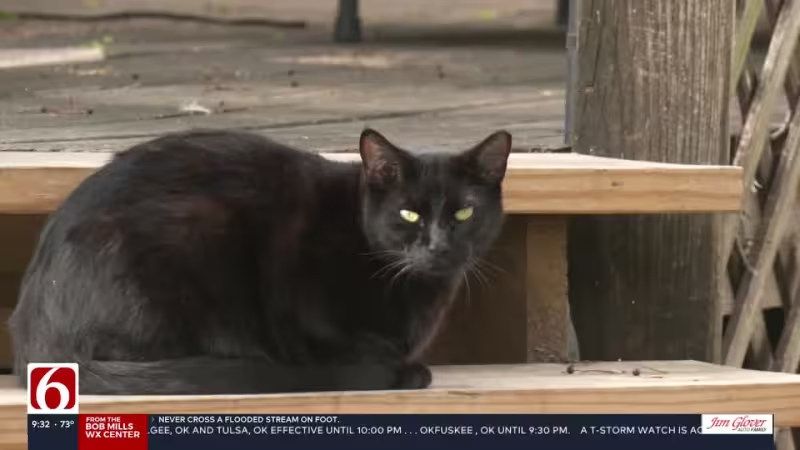
Mandi Anderson still talks about Marsha Kay like she is part of the house. Anderson has ten cats, and she said the animals are little characters, the kind that make a home feel full. Then Marsha Kay began acting off, was diagnosed with bobcat fever and did not survive despite treatment.
Green Country veterinarians and animal rescues are warning pet owners after seeing more cases of the tick-borne illness this year. Bobcat fever, formally known as cytauxzoonosis, affects cats only and can move with alarming speed. Dr. Lindsay Starkey said symptoms can show up within 48 hours after a tick has fed on a cat, and if the disease is not treated quickly it can become fatal within 48 hours of serious symptoms appearing.
Starkey said the disease has been known since the 1970s, when it was first described in cats in Missouri, but Oklahoma remains a dangerous place for it. She said the main tick behind the illness is the Lone Star tick, and that Oklahoma has plenty of them. Treatment has improved, she said, but survival is still far from guaranteed — “Maybe it’s a 50/50 shot they make it,” she said. Anderson’s loss shows how quickly that gamble can turn.
The warning is landing now because Starkey said this spring could be worse than years past. She said she has been seeing more social posts, hearing private practitioners talk more about bobcat fever, and hearing from worried pet owners, including some who have lost multiple cats in the same season. “I feel like we might be having an outbreak,” she said. “All of that can lead to a dead cat.”
The disease does not affect dogs, humans or other animals, but the lack of a formal reporting system means no one has a clean count of how many cats are being hit. That leaves veterinarians, rescue workers and owners watching for the kind of fast change Anderson saw in Marsha Kay, because once the illness takes hold, there may not be much time to act.