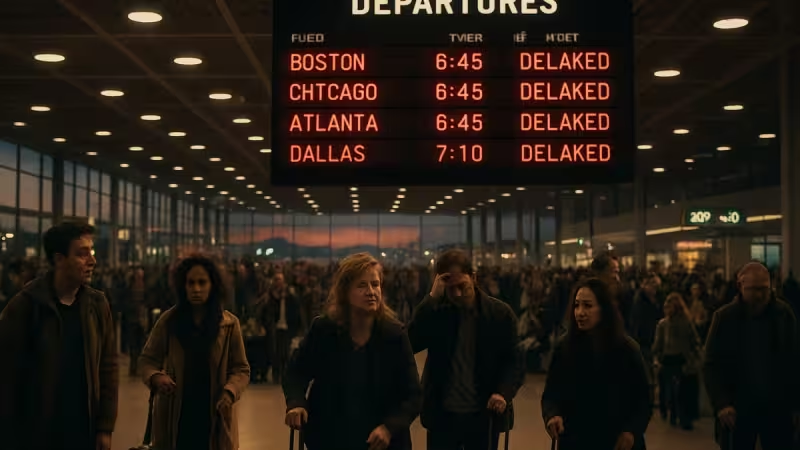
Hundreds of travelers were left in limbo this week at Harry Reid International Airport in Las Vegas as delays and cancellations piled up across several busy days in April 2026. Many slept in terminal chairs and crowded rebooking counters after flights were pushed back or canceled.
Flight-tracking dashboards and industry reports show April 5 and April 11 were the worst stretches, with more than 250 flights delayed at Harry Reid on April 11 alone. Earlier in the month, the airport had already seen more than 120 delayed flights and multiple cancellations, leaving hundreds of passengers stuck in the terminal as airlines worked through the backlog.
The numbers matter because they point to more than a one-off slowdown. April 9 brought a nationwide disruption wave that hit more than 3,000 flights across major hubs including Atlanta, Denver, Houston and Phoenix, and Harry Reid was listed among the worst bottlenecks. On the busiest days, flight-status boards at the airport showed strings of departures marked late and arrival banks pushed back by 30 minutes or more.
Spring weather in other parts of the United States, including storms around key connecting hubs, triggered ground delays and reroutes that rippled into Las Vegas schedules. That left Harry Reid exposed at a time when airlines were still running near peak capacity at a major leisure destination. When a jet arrived late from another congested airport, the knock-on effect could push back multiple departures from Las Vegas, especially on routes that operate only a few times a day.
The friction in this week’s disruption is that the problem looked local to travelers sitting on the floor at Harry Reid, but the cause sat farther up the network. The airport was not dealing with a single isolated event; it was absorbing strain from a broader April pattern, with full spring travel demand making each delay harder to recover from. For passengers in Las Vegas, the answer is already clear: the airport’s trouble this week was part of a larger system failure, and the next flight out depended on how quickly that network stopped breaking down.