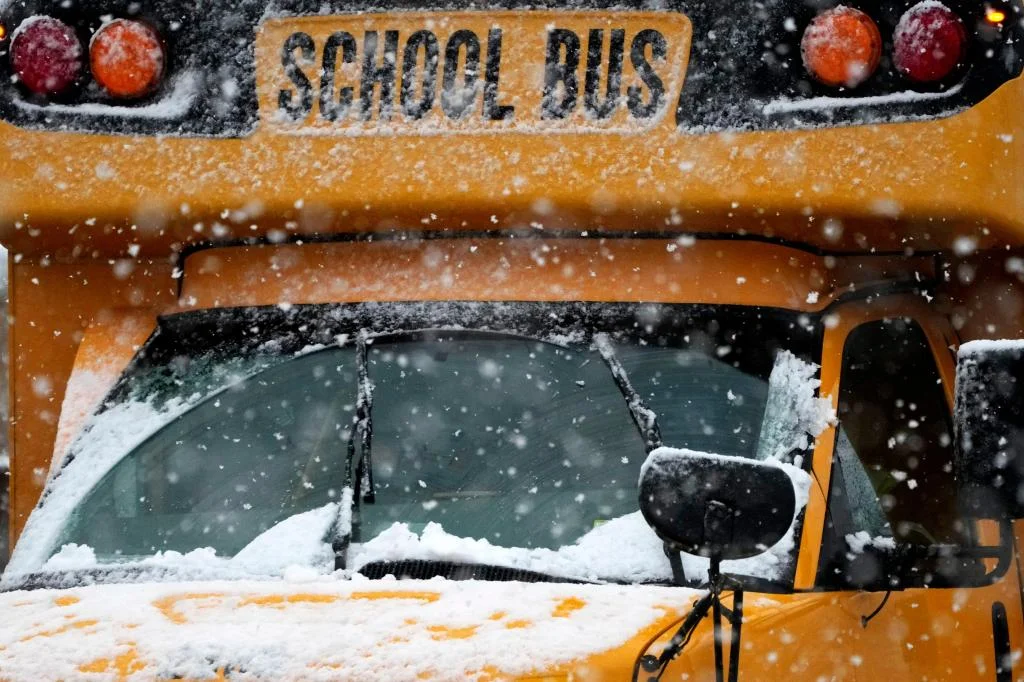
Denver and much of Colorado are bracing for a late-season storm Tuesday to Wednesday that could dump 3 to 6 inches of snow on the metro area and far more in the Rockies just to the west. Tony Laubach said the system could rival the biggest storm of the season for Denver.
The mountains west of the city are forecast to pick up 12 to 18 inches, with AccuWeather Local StormMax™ topping out at 36 inches in the most favored spots. That would come on top of a winter in which Denver has collected 27.5 inches since early October, only about 57% of its historical average, while Aspen has seen 48 inches, less than 30% of its 164-inch seasonal norm.

The timing matters because May snow in Denver is usually a rarity. The city averages just 1.2 inches for the entire month, and the snowiest May on record came in 1898, when 15.5 inches fell. Dan DePodwin said that if this storm drops more than 3.5 inches on Denver in a single day, it would be the biggest one-day May snowstorm since 1983. A storm on May 20, 2022, brought 2.3 inches to Denver International Airport and as much as 6 inches in the western suburbs.
Travel is expected to take the first hit Tuesday night, when roads are forecast to turn slushy and snow-covered and stay that way into midday Wednesday before melting in the afternoon. Snowfall rates could reach several inches per hour over some mountain passes, and airline passengers should expect delays and possible cancellations from Tuesday evening through Wednesday morning. Cheyenne, Wyoming, is also forecast to get 6 to 12 inches from late Tuesday into Tuesday night, while the Palmer Divide is in line for 6 to 12 inches, the Colorado Springs area 3 to 6 inches, and Pueblo could see light, slushy accumulations late Tuesday into early Wednesday.
The storm also lands against a harsher backdrop in the west. Conditions are so dry in northwestern Colorado that a broad area of exceptional drought now covers the region, the worst category on the United States Drought Monitor. The snow and rain should bring some late-season help, even if only temporarily, and temperatures are forecast to rebound into the 40s in the mountains and well into the 60s across the Denver metro area on Thursday. For a snow-starved spring, the answer to whether this system matters is yes: it could alter travel, school schedules and drought conditions in the same 24 hours.