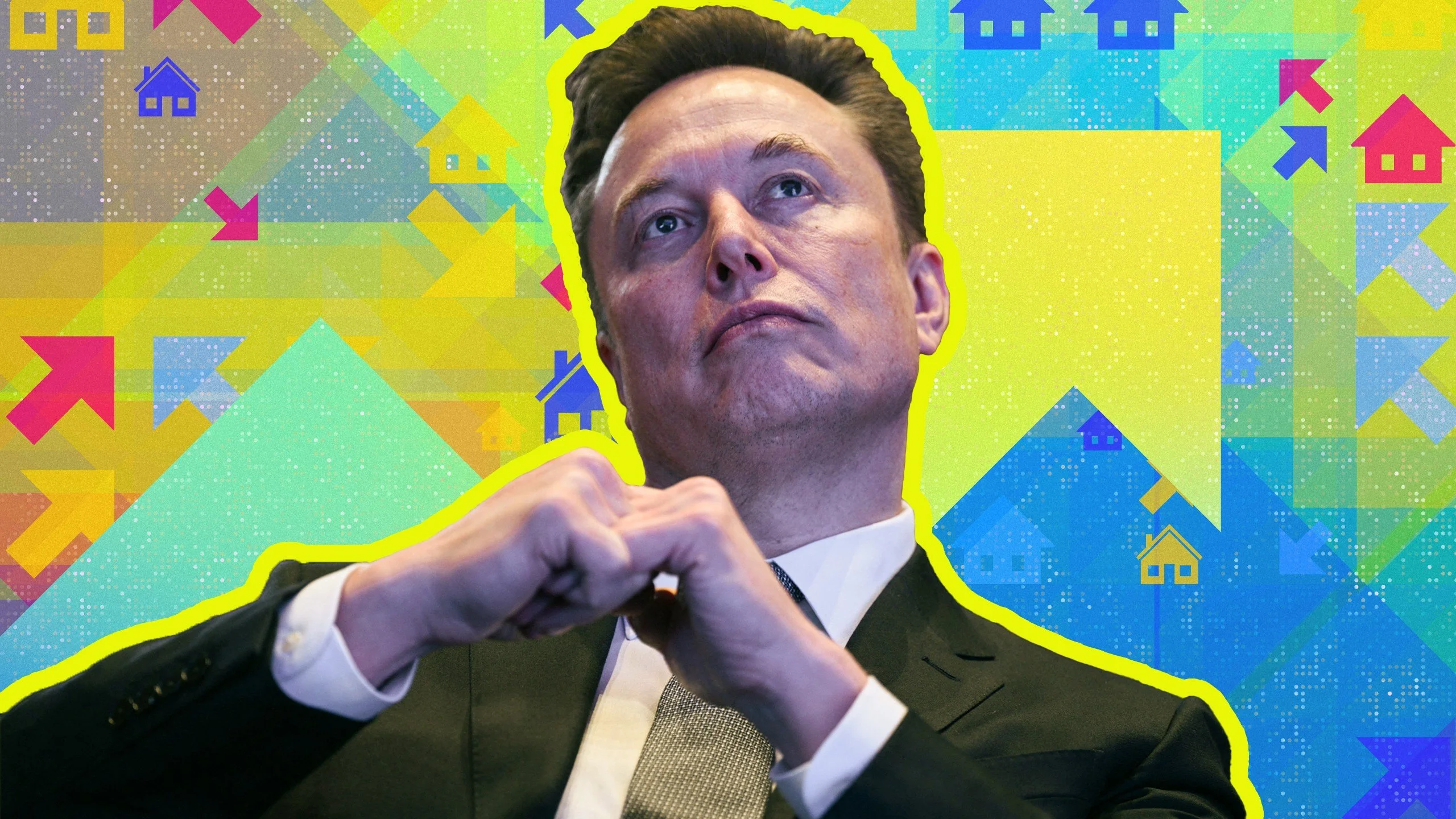
Elon Musk said people should not worry too much about saving money for retirement in 10 or 20 years, arguing that rapid advances in artificial intelligence could make the idea irrelevant. On the Moonshots with Peter Diamandis podcast, Musk said retirement saving would not matter because the services people need would be there for them.
“It won’t matter,” Musk said, adding that “saving for retirement will be irrelevant” because “the services will be there to support you. You’ll have the home. You’ll have the healthcare. You’ll have the entertainment.” He said the pace of change was hard to map because “the way this unfolds is fundamentally impossible to predict because of self-improvement of the AI and the accelerating timeline.”
Musk framed the future as one of abundance, saying “anyone can have whatever stuff they want” and that there would be “incredible medical care that’s better than any medical care that exists today” and “no scarcity of goods or services.” He also said “the best education will be available for everybody,” tying his retirement comments to a broader belief that AI will reshape how people live, learn and pay for basic needs.
That is where the debate began. Conor Kelly said it is hard to imagine money simply disappearing in the near-term future, and argued that even in an AI-driven abundance future, people who keep saving and investing would be the only ones positioned to afford things AI cannot replicate. He said, “But let’s say Elon is right and our future is one of AI-driven abundance where goods and services are almost free,” and asked, “Wouldn’t that create an even larger focus on finite assets like real estate?”



Kelly said “AI can’t create more mountains in Colorado or coastline in Florida,” a point aimed at the kinds of scarce assets that do not vanish just because software becomes cheaper. He added that “relying on a post-currency utopia is a high-stakes gamble, but continuing to build wealth is a strategy.”
Dan Galli pushed back more bluntly, saying the idea that people could simply sit around and have everything provided for them “just seems to go against everything that makes humans function at whatever level. Period.” He recalled being told as a child that “The Jetsons” promised a future with sky-rise buildings, flying cars and video phone calls, then said, “Well, we’re now 60 years later, and I only got one out of the three.”
The clash matters because Musk’s remarks were not just a prediction about technology; they were a direct challenge to the basic advice most Americans hear about planning ahead. Financial advisers in the discussion said money will likely still exist, scarce assets such as real estate may become more important, and not planning for the future remains a risk even if AI changes the economy.
Galli put it plainly: “Not planning for the future is a plan in itself, and it’s a plan that very well could lead to failure.” For now, Musk is betting on a world where abundance arrives fast enough to make retirement saving feel outdated, while advisers are warning that the safer bet is to keep saving as if money still matters.