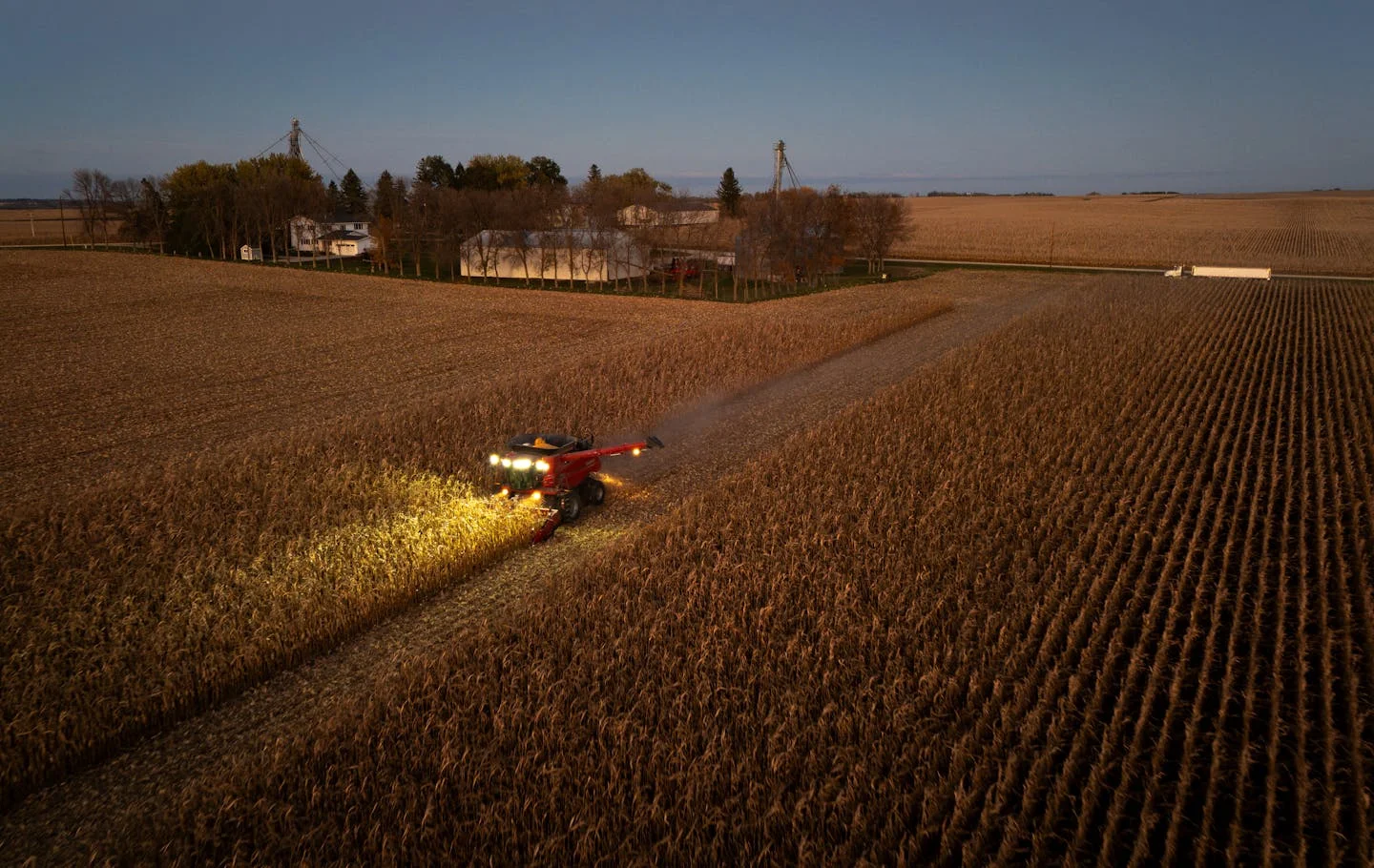
The House passed a farm bill on Thursday, April 30, clearing the measure 220-200 after the legislation had mostly been kept alive on extension since 2023. The vote advanced a broad package that funds crop insurance subsidies, SNAP and conservation programs, but it left one of the most politically charged farm-state fights for later: year-round E15 ethanol blends.
Republican leaders said they will hold a separate vote on year-round E15 use when Congress returns from recess in mid-May, a delay that drew sharp criticism from Minnesota Rep. Angie Craig. "We could expand our domestic markets in this country today," she said, before adding, "But we’re going to take [the proposal] away and, ‘Oh, we’ll come back in two more weeks.’"
The bill provides $1.4 billion in funding for the programs it covers, and it also strips text that would have made it harder for state regulators to label pesticides individually. It includes language that pre-empts a California law mandating larger crates for pigs in barns, a provision likely to face roadblocks in the Senate. The measure is also moving through Washington as the Trump administration has approved a waiver allowing higher ethanol blends for 2026.
The farm bill is normally approved every five years, but this one has been stretched through repeated extensions since 2023, turning a once-routine piece of farm policy into a bigger test of priorities. The E15 dispute sits at the center of that test because current law prohibits the higher blend in summer months, even as farm groups have pushed to make it available year-round. Minnesota already has a waiver allowing higher ethanol blends, while oil refineries, especially smaller and mid-sized facilities, have opposed broader use.
That split was visible in Minnesota’s eight-member House delegation, which broke along party lines on the bill. Craig said a January Farm Bureau report showed producers lost more than $50 billion over the last three crop years because of low commodity prices and high input costs, and GOP Rep. Brad Finstad described the current farm economy as facing "compounding challenges." House Agriculture Committee Chairman Glenn "GT" Thompson, meanwhile, said Craig was "pillorying the bill because it made good politics in her U.S. Senate campaign."
The immediate question is no longer whether the House will act. It has. The harder question is whether the separate E15 vote in mid-May can survive the same crosscurrents that shaped this bill: farm-state urgency, refinery opposition, state-by-state regulation and a Senate fight that could still undo parts of what the House just approved.