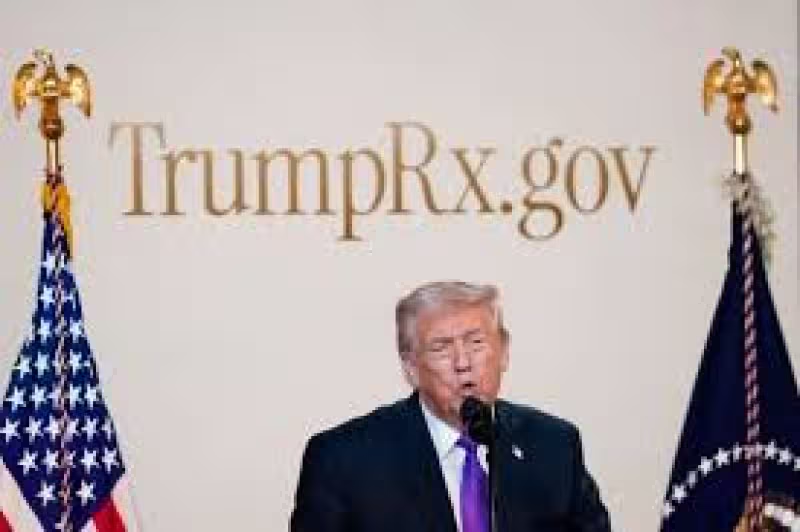
TrumpRx, the Trump administration’s prescription drug platform launched in February 2026, was meant to give Americans a cheaper path to medicine. But a March review found that while some prices fell, many drugs were still significantly cheaper under the UK system, and the platform did not consistently deliver the lowest available costs.
The comparison, which matched listed TrumpRx prices with publicly available NHS data, found lower prices for some high-demand treatments in categories such as obesity care. It also found several widely used medicines that cost far less in England, where most patients pay a fixed prescription charge per item, than in the United States, where prices can swing with insurance coverage, manufacturer agreements and retail pricing.
The gap matters because TrumpRx was built around a simple promise: bring US drug costs closer to those in other developed countries. Instead, the early evidence points to a mixed result. Some patients are getting relief on certain treatments, but the broader price picture still leaves many Americans paying more than peers overseas for the same medicines.



That tension sharpened after NBC News, citing a Senate Democrats’ report, said pharmaceutical companies continued to raise prices on hundreds of medicines even after entering pricing agreements with the administration. The report said the increases covered treatments for cancer and chronic conditions, and it flagged newly launched medicines with annual costs reaching hundreds of thousands of dollars.
Sen. Ron Wyden called the platform a “glorified coupon book,” while Bernie Sanders said Americans “continue to pay by far the highest prices in the world for prescription drugs.” Stacie Dusetzina said the “details of the deals remain unclear and may not significantly reduce costs for patients,” underscoring how little patients know about whether the negotiated discounts will show up at the pharmacy counter.
The administration has also proposed tariffs on pharmaceutical imports from companies that do not agree to “Most-Favoured-Nation” pricing terms, a move economists at ING warned could push costs higher, especially for generic drugs that depend on imported components. Smaller and medium-sized manufacturers have said they may struggle to adapt, adding another complication to a policy that was supposed to make medicine cheaper, not harder to produce.
The combination of ’ price review and the Senate report leaves TrumpRx in an awkward place: it has produced savings for some patients, but not the broad, across-the-board relief the White House promised. For now, the question is not whether the platform exists. It is whether it can do more than shave the price of a few drugs while the rest of the market keeps climbing.