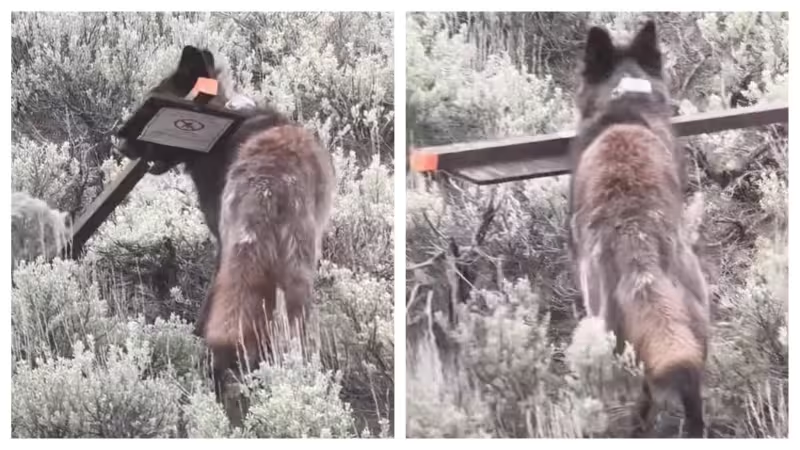
A wolf pup in Yellowstone National Park was seen carrying a large warning sign in its mouth after park staff had posted it near a carcass. The young male from the Junction Butte pack then crossed the road and kept moving, apparently trying to get back to the rest of his family.
The scene was caught earlier this week in a post shared by a wolf technician and quickly stood out in a park known for close encounters with wildlife. Yellowstone is home to 67 species of mammals, and visitors are told to keep at least 100 yards from bears. Park managers also put up warning signs when a bear is feeding on a carcass to keep people away from the area.
Taylor Rabe said the pup was one of six Junction Butte puppies separated from the adults, something that can happen when youngsters linger while checking out a place longer than the grown wolves do. Sometimes, Rabe said, that means getting distracted by “something extra smelly, like an old carcass, or maybe something really fun, like a pond full of salamanders.” In this case, the distraction appears to have been the sign itself, which the pup found while moving through the valley.


The moment also put a spotlight on the radio collars Yellowstone biologists use to track wolves. The National Park Service says the collars have been in use since gray wolves were reintroduced to Yellowstone in 1995, and that they were never meant to let the public follow local wolves for sightseeing. The collars, which weigh about 0.8 to 1.8 percent of a wolf’s body weight, leave about three finger widths between the neck and the gear.
That system is not risk-free. Three wolves have died in collaring efforts over the last 24 years, a death rate of less than 1 percent, below the 2 to 3 percent rate considered acceptable for wildlife handling studies. Even so, park staff say the collars are essential for collecting invaluable data on predator-prey interactions, social dynamics, dispersal, survival, reproduction and the way multiple carnivores share the landscape.
The missing sign is a small reminder of how Yellowstone can turn even a routine warning into an odd wildlife episode. The pup was not trying to make a statement; it was trying to rejoin its pack, and it found a new toy on the way.