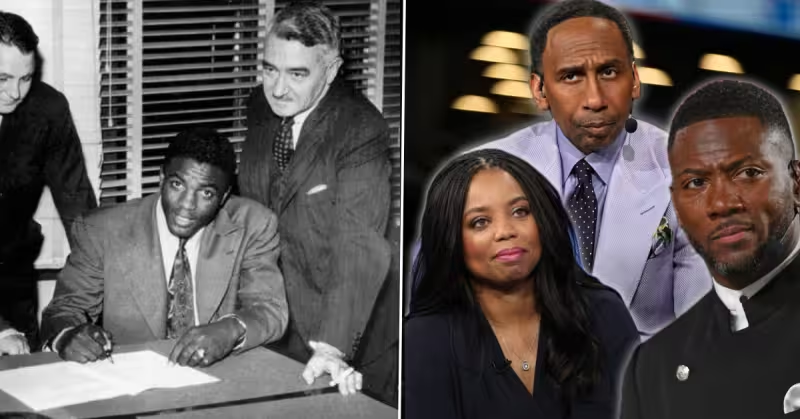
April 10 is a special day in sports history because Jackie Robinson signed his first Major League Baseball contract on April 10, 1947, beginning the chain of events that ended with him breaking baseball’s color barrier five days later. Seventy-nine years on, that date still carries the force of a turning point, not just for baseball but for the larger story of how sports helped rewrite some of the wrongs of racism in America.
That history lands differently now because sports media keeps pulling race back into the conversation. ’s First Take and the now-canceled Around the Horn have become familiar stages for it, and one of the network’s highest paid personalities outside of Pat McAfee is no stranger to making a sports conversation about race. Clark’s name has become synonymous with race-baiting on, and the same pattern has followed the coverage of Shedeur Sanders, who was the subject of media claims and insinuations that he fell in the NFL Draft because of racism.
The Robinson anniversary matters because it is not abstract. On April 10, 1947, he signed his first contract with the Brooklyn Dodgers, and on April 15 he played his first game for the club. That debut made him the player who broke baseball’s color barrier, and it remains one of the clearest examples of sports forcing the country to face a moral wrong it had long tried to ignore.


Read Also: Sophie Cunningham joins USA Network’s 2026 WNBA broadcast team
The same impulse keeps showing up in football, where the Rooney Rule requires NFL teams to interview a Black or other minority candidate when hiring a head coach or general manager, yet the league still keeps running into the same hiring debates. Mina Kimes lectured everyone about the NFL’s “lack of diversity” at the head coach position in 2020, repeated a similar diatribe in 2023, and now the pattern has returned again after none of the ten head coaching openings in 2026 went to Black coaches. Jerod Mayo, hired as the former player and former linebackers coach of the New England Patriots, is part of that same conversation, whether the league wants it or not.
That is why April 10 keeps mattering. Robinson’s signing is remembered because it was a sports transaction with national consequences, and the argument around race in today’s sports media shows how often that old wound is still being reopened for airtime.