The Department of Homeland Security says it has shut down the Office of the Immigration Detention Ombudsman, the internal watchdog that investigated misconduct and handled complaints about safety, medical care and legal access in immigration detention. The move comes just days after Congress and the president cleared the department’s funding bill, setting up a fresh fight over who, exactly, killed the office.
A DHS spokesperson said Wednesday, “DHS did not shut down the Office of Immigration Detention Ombudsman – Congress did,” placing the closure on lawmakers after the House passed the DHS appropriations bill without objection and the measure was signed into law last week. The office, established in 2019, had most of its employees placed on leave last year, but its formal shutdown removes one of the few federal channels for complaints inside a detention system that has drawn repeated criticism.
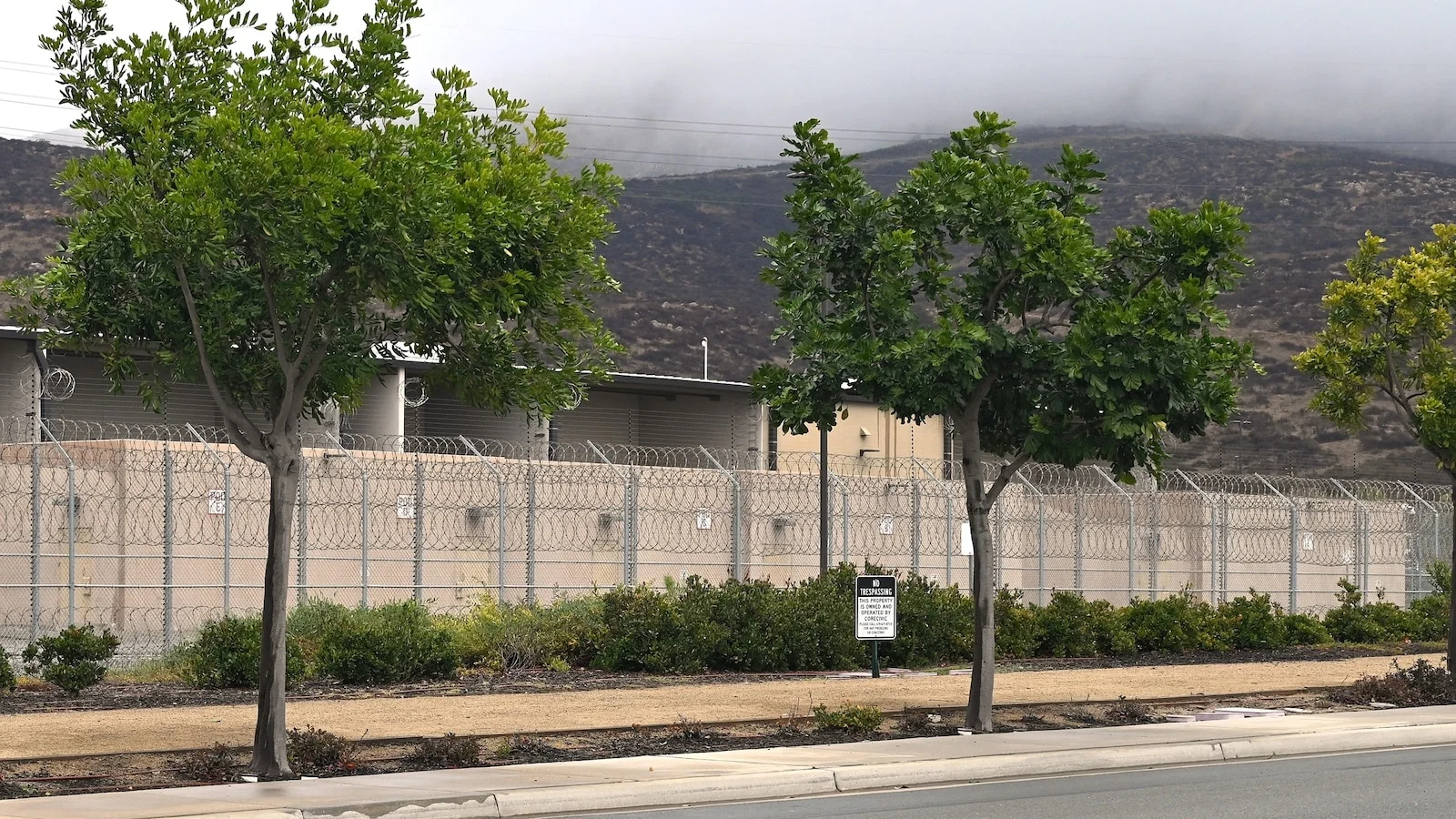
The stakes are plain. As of last week, 49 people had died in ICE detention during the second Trump administration, and the detention population stood at around 60,000 people in federal immigration custody. Outgoing Acting ICE Director Todd Lyons said last month that the number of deaths is high because ICE has the highest amount in detention since its inception in 2003, a defense that underscores how central detention has become to the agency’s operations.


The office was created to provide independent oversight of immigration detention facilities and to recommend improvements, and its closure lands amid concerns from lawmakers and immigrant advocates about conditions inside those facilities. The appropriations bill that funded most of DHS also excluded funds for Immigration and Customs Enforcement and parts of Customs and Border Protection, even as Republican lawmakers are trying to secure three years of funding for ICE and parts of CBP through budget reconciliation.
Anthony Enriquez of a non-profit organization suing the federal government over plans to close three oversight offices within DHS called the shutdown an “unlawful choice” and said, “Congress passed no statute that says we are repealing the office of the immigration detention ombudsman.” He added, “The law that exists on the books right now is that this office must exist.”
His warning goes to the heart of what changes when the watchdog disappears. “If there is no longer anybody that is watchdogging these agencies in order to ensure that these types of abuses aren't occurring, we're just going to see more of these abuses occur,” Enriquez said. With the office gone, the next fight is likely to move from detention complaints to courtrooms and appropriations bills, where the future of oversight inside DHS is now tied to the broader battle over immigration enforcement funding.